Avocados are a nutrient-dense fruit known for their rich texture and high healthy fat content. Unlike most fruits, avocados are low in sugar and high in fats, making them a popular choice for low-carb, keto, and balanced diets. Understanding the calories in avocados by serving size can help you manage portion control and make better decisions for your nutrition goals.

| Serving Size | Calories |
|---|---|
| ¼ avocado | 80 |
| ½ avocado | 160 |
| 1 whole avocado | 320 |
| 1 cup sliced avocado | 234 |

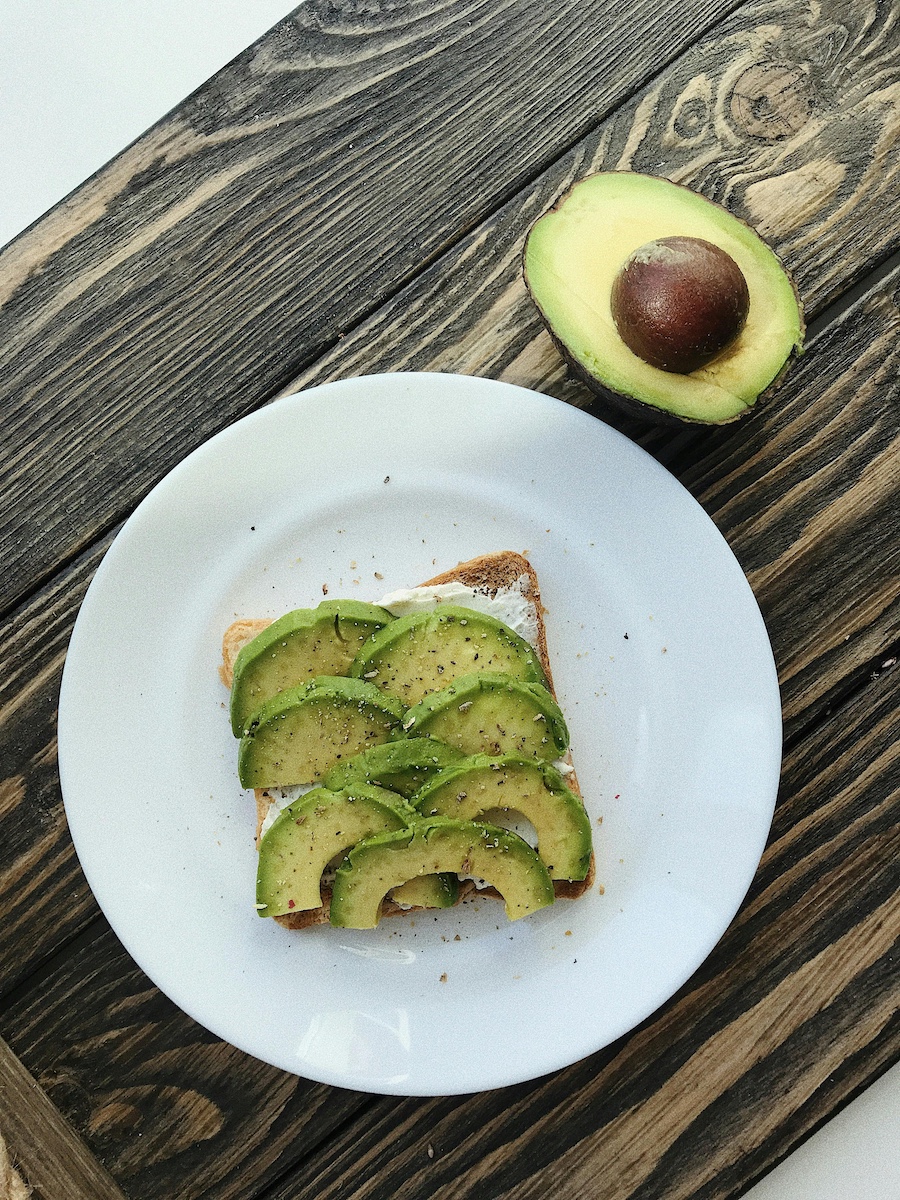

Avocados are unique among fruits because they are rich in healthy monounsaturated fats, particularly oleic acid, which supports heart health and may help reduce inflammation. A 100 gram serving contains about 15 grams of fat, making avocados more calorie-dense than most fruits, but also more satisfying.
In addition to healthy fats, avocados provide fiber, which helps support digestion, stabilize blood sugar levels, and increase satiety. They are also packed with important micronutrients such as potassium, vitamin K, vitamin E, folate, and B vitamins, all of which play a role in overall health and energy production.
Despite being higher in calories, avocados are considered a highly nutritious food because of their nutrient density. They can help improve the absorption of fat-soluble vitamins when paired with other foods like vegetables.
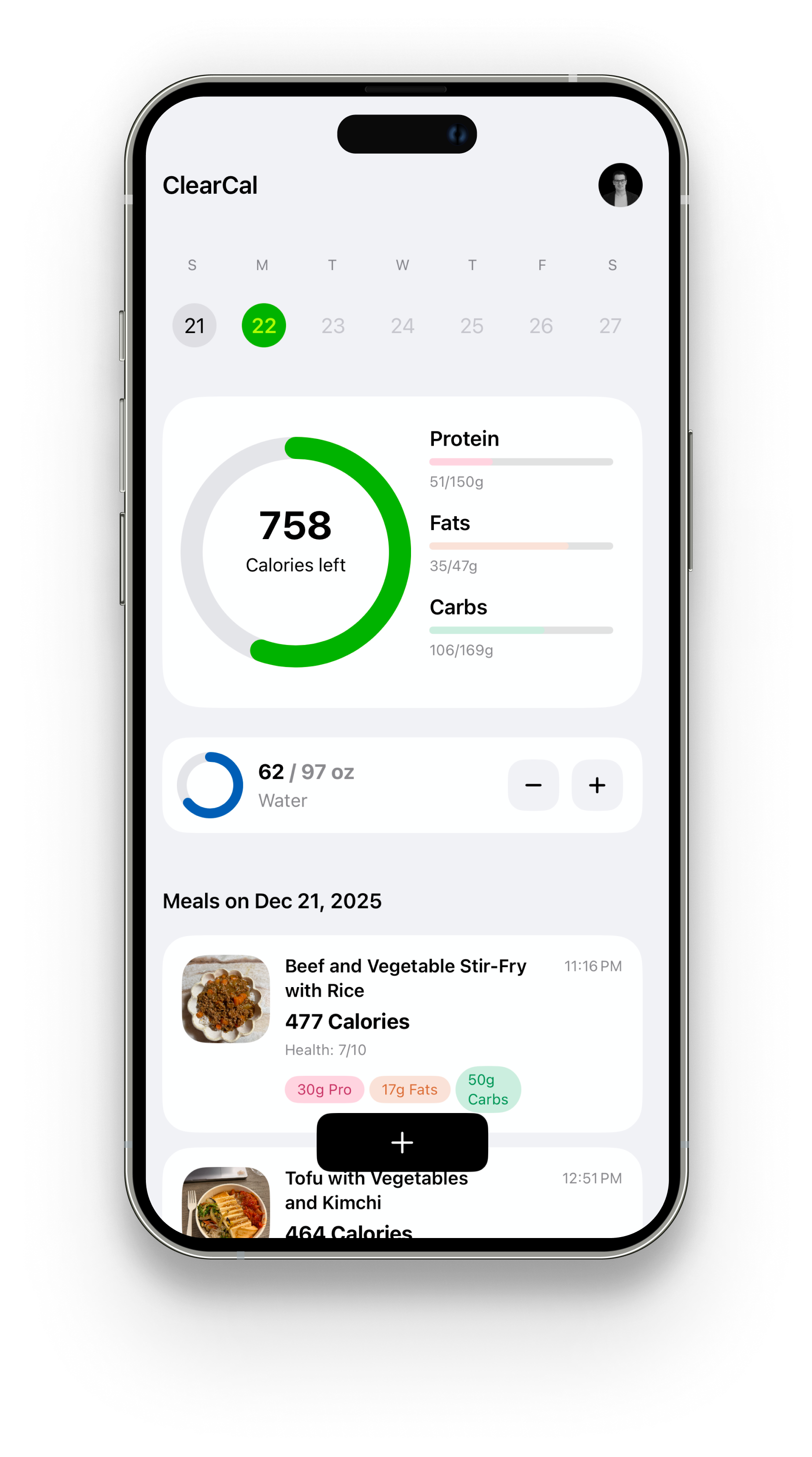
Because avocados are often used in meals like salads, sandwiches, or bowls, it can be easy to underestimate portion sizes and calorie intake. Many people now use tools that can scan food calories to analyze meals and estimate calories more accurately without manual tracking.
If you want a faster and more efficient way to track your meals, tools like an AI calorie tracker or a photo calorie counter can simplify the process and improve consistency.
Avocados can be beneficial for weight loss when eaten in controlled portions. Although they are higher in calories compared to other fruits, their combination of healthy fats and fiber makes them very filling, which can help reduce overall calorie intake.
A typical half avocado contains around 160 calories, which can fit into a calorie-controlled diet when balanced with other foods. Because avocados are satisfying, they can help prevent overeating and reduce the need for frequent snacking.
For weight loss, portion control is key. Eating large amounts of avocado can quickly increase total calorie intake, so it is important to measure servings appropriately.
Avocados work well when combined with lean proteins and vegetables to create balanced meals that support fat loss and muscle maintenance.
Consistency in tracking is one of the most important factors for success. Many people find traditional calorie counting difficult, which is why tools that allow you to scan food calories or use a calorie tracker with camera are becoming more popular.
If you want a simpler and more sustainable approach, you can explore <a href="https://www.clearcal.app/how-to-track-calories-without-weighing-food">how to track calories without weighing food</a> or understand <a href="https://www.clearcal.app/why-calorie-counting-fails">why calorie counting fails</a>.

Yes. Avocados are relatively low in net carbs because they are high in fiber.
Yes. When eaten in moderation, avocados can support weight loss due to their fiber and healthy fat content.
Yes. Avocados are high in healthy monounsaturated fats, which support heart health and satiety.
A whole avocado contains around 300–320 calories, depending on size.

Snap a photo or describe your meal, and ClearCal analyzes each meal so you can acheive your goals without the headaches.