Ground beef is a staple protein used in many meals, from burgers to tacos to meal prep dishes. However, the calories in ground beef can vary significantly depending on the fat percentage. Whether you are tracking macros, trying to lose weight, or simply eating healthier, understanding how lean vs fatty ground beef impacts calories is essential for making better food choices.

| Serving Size | Calories |
|---|---|
| 1 oz ground beef | 72 |
| 3 oz ground beef | 215 |
| 4 oz ground beef | 287 |
| 1 cup cooked ground beef | 339 |
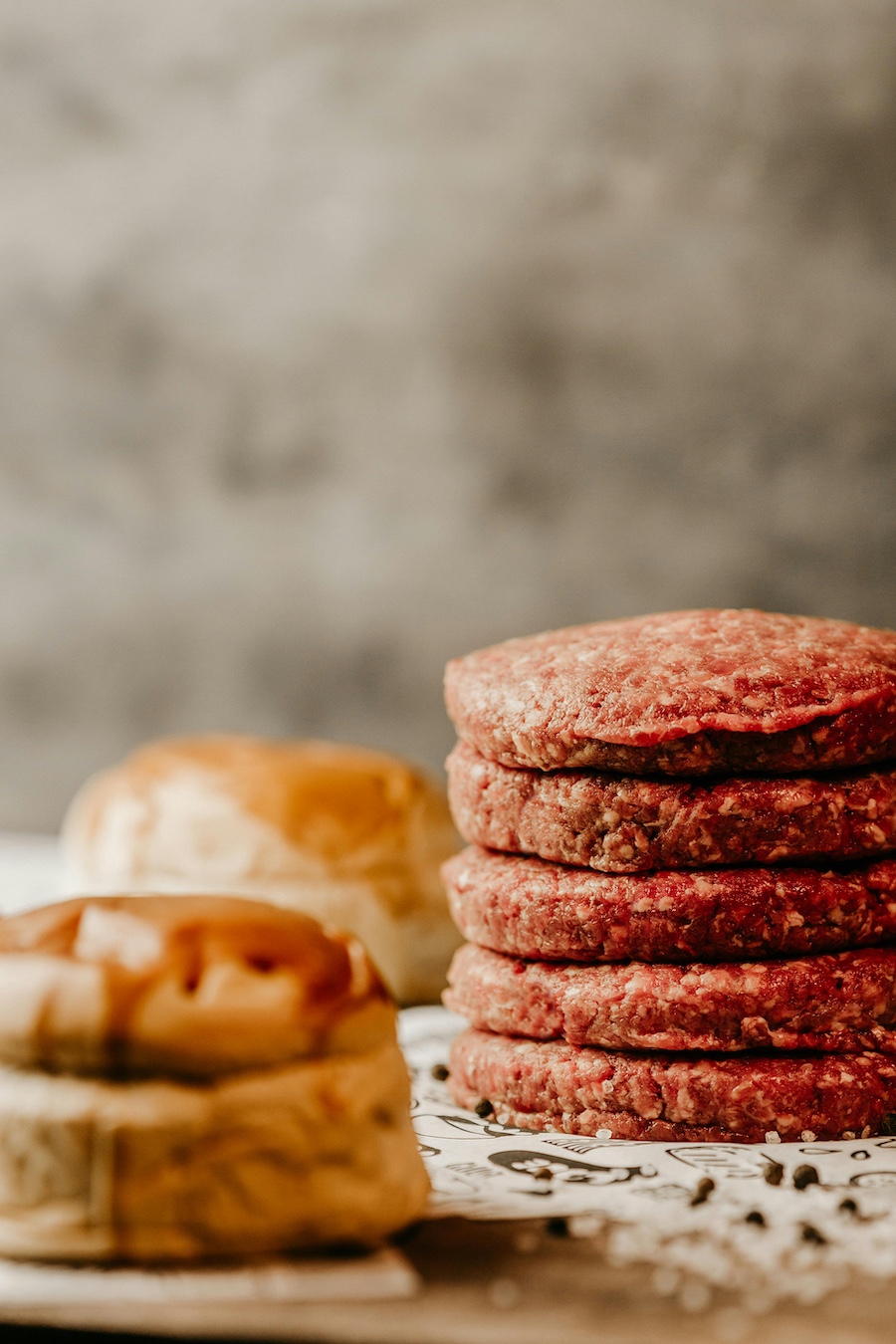
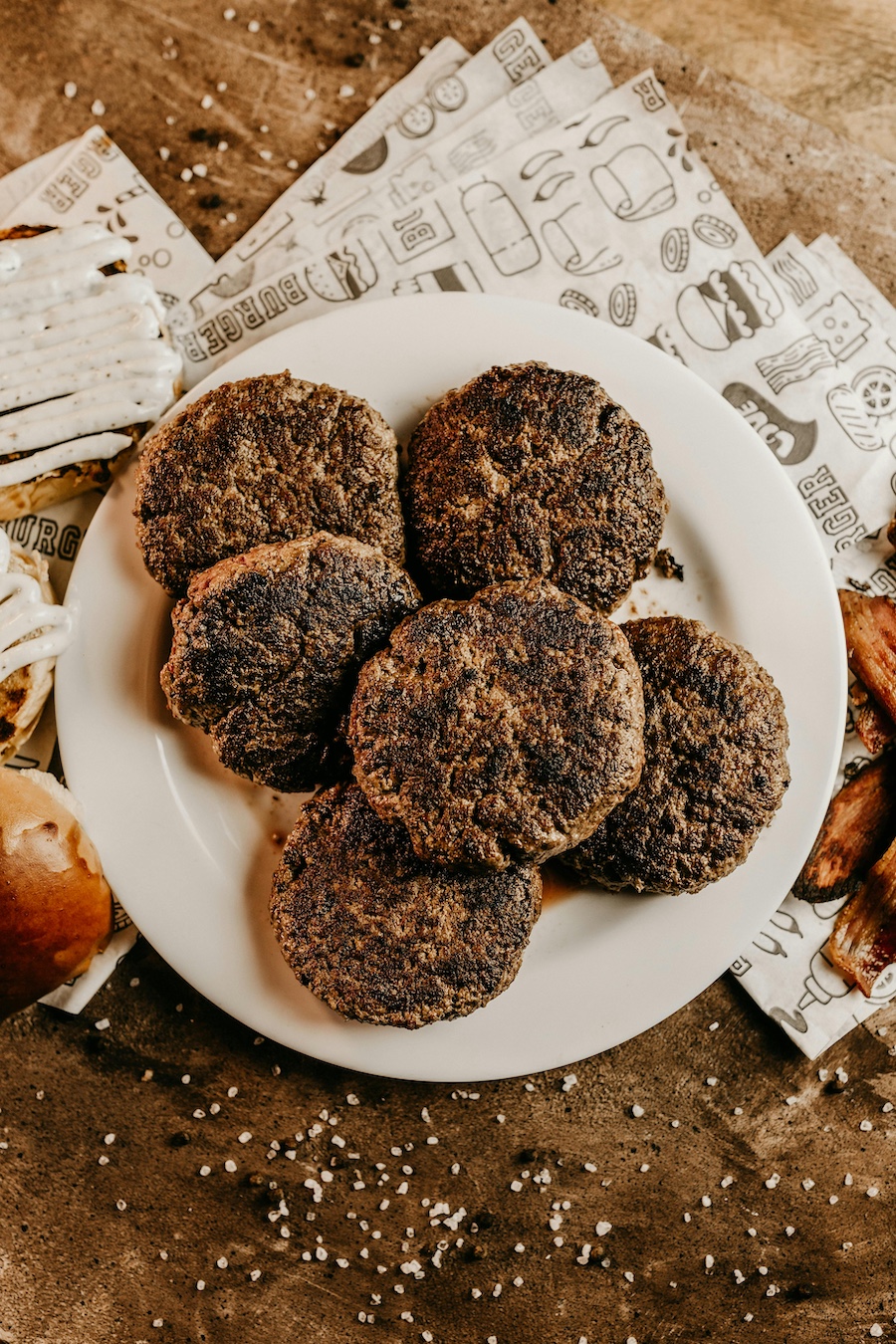
Ground beef is a nutrient-dense source of protein and fat, but its calorie content depends heavily on the fat percentage. Common varieties include 80/20 (80% lean, 20% fat), 85/15, and 90/10. The higher the fat content, the more calories the ground beef will contain.
A 100 gram serving of 80/20 ground beef provides about 26 grams of protein along with 17 grams of fat. While the protein supports muscle growth, recovery, and overall health, the fat contributes to energy intake and flavor. Leaner options like 90/10 ground beef contain fewer calories and less fat while still providing a high amount of protein.
Ground beef is also rich in important micronutrients such as iron, zinc, vitamin B12, and niacin. Iron supports oxygen transport in the body and helps prevent fatigue, while vitamin B12 is essential for nerve function and red blood cell production. Zinc plays a key role in immune health and recovery.
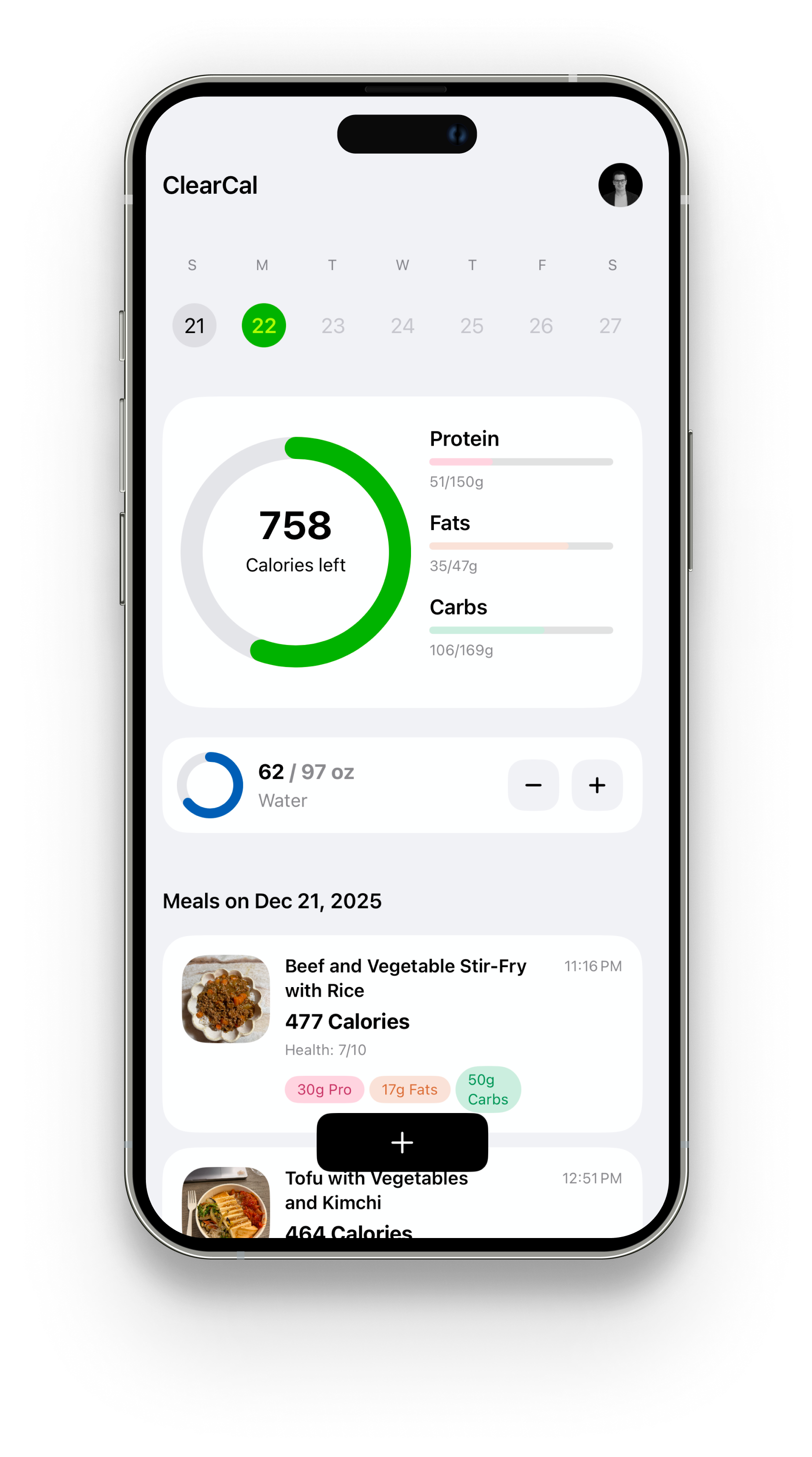
Because calorie content varies so much depending on fat percentage and cooking method, tracking ground beef accurately can be challenging. Draining fat after cooking can reduce total calories, while adding oils or sauces can increase them. Many people now use tools that can scan food calories instantly to estimate nutrition more accurately without manually calculating fat percentages.
Ground beef can be part of a weight loss diet, but choosing the right fat percentage is key. Higher-fat options like 80/20 contain more calories, which can make it easier to exceed your daily calorie target if portions are not controlled. Leaner options such as 90/10 or 93/7 ground beef are often better suited for weight loss because they provide similar protein with fewer calories.
Protein plays an important role in weight loss because it helps increase satiety and preserve muscle mass. Ground beef provides a high amount of protein, which can help keep you full and support metabolism while dieting. However, the added fat in higher-fat ground beef increases calorie density, meaning smaller portions contain more calories.
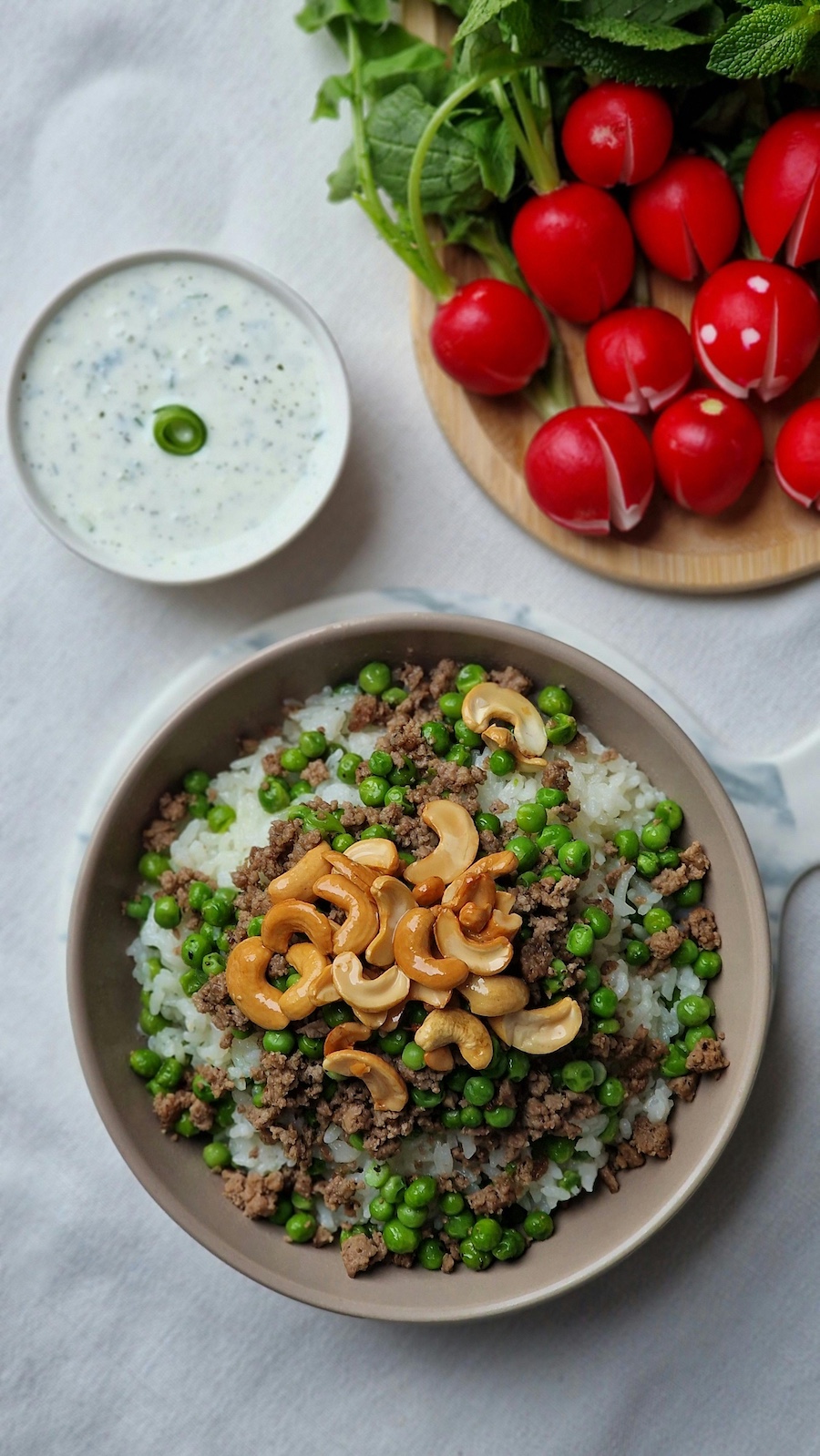
For effective weight loss, portion control and preparation methods matter. Draining excess fat after cooking and pairing ground beef with vegetables or lower-calorie foods can help create a balanced meal. Swapping higher-fat ground beef for leaner versions can significantly reduce calorie intake without sacrificing protein.
Tracking intake is especially important when eating foods like ground beef, where calorie content can vary widely. Many people now use AI tools that can scan food calories directly from a photo to estimate portions and nutritional content.

Yes. Ground beef is high in protein and contains essential nutrients like iron and B12, which support muscle growth and recovery.
No. Plain ground beef contains zero carbohydrates.
Yes. Lean ground beef such as 90/10 or 93/7 contains fewer calories because it has less fat.
Ground beef contains about 254 calories per 100 grams for 80/20 beef, but this varies depending on the fat percentage.

Snap a photo or describe your meal, and ClearCal analyzes each meal so you can acheive your goals without the headaches.