Steak is a popular high-protein food known for its rich flavor and nutritional value. However, the calories in steak can vary significantly depending on the cut, fat content, and cooking method. Lean cuts like sirloin contain fewer calories, while fattier cuts like ribeye are more calorie-dense. Understanding steak calories by portion size and cut can help you better manage your diet, whether your goal is weight loss, muscle building, or overall health.
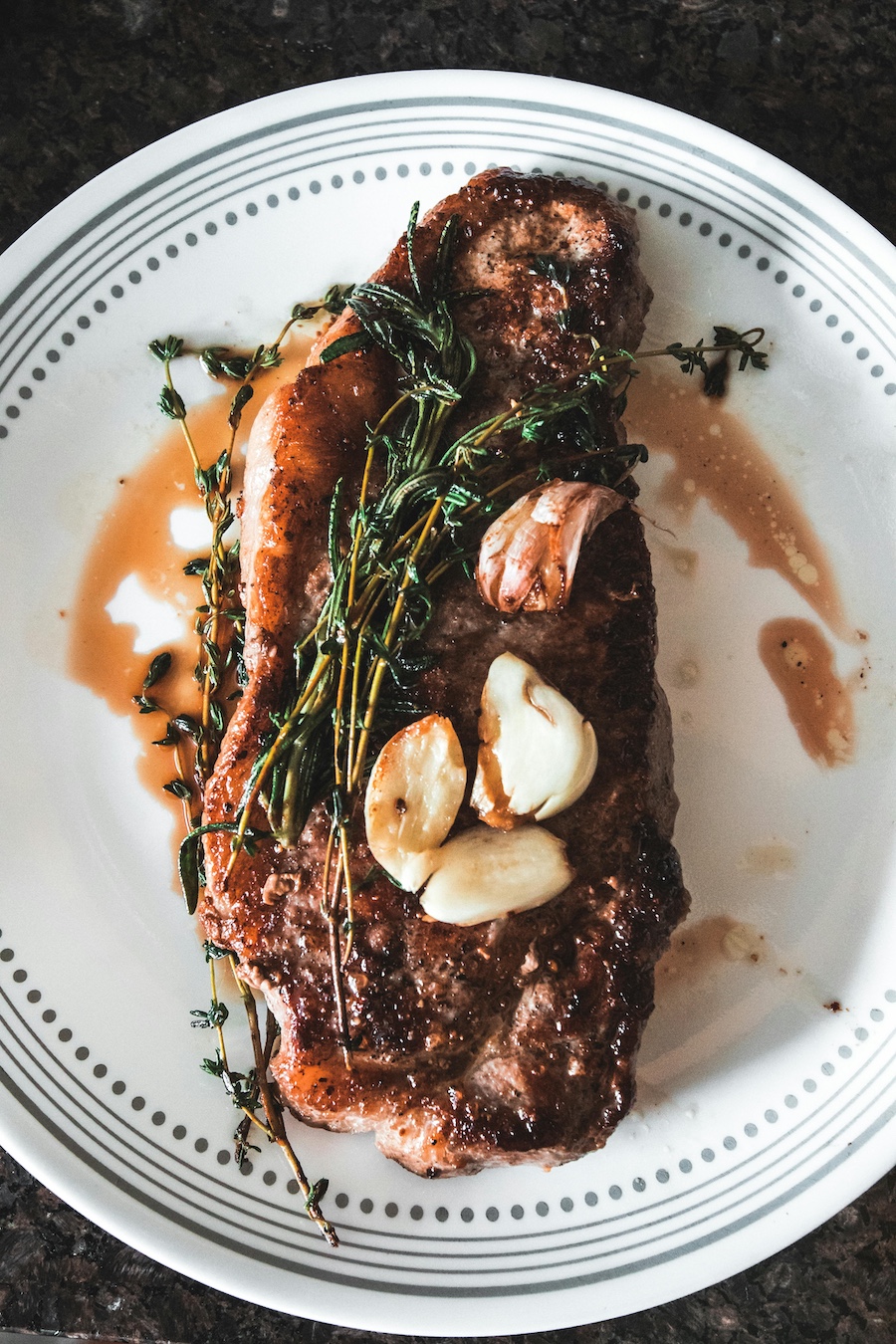
| Serving Size | Calories |
|---|---|
| 1 oz steak | 77 |
| 3 oz steak | 231 |
| 6 oz steak | 462 |
| 8 oz steak | 616 |
Steak is a nutrient-dense food that provides a strong combination of high-quality protein and essential micronutrients. A 100 gram serving contains about 26 grams of complete protein, which includes all nine essential amino acids needed for muscle growth, tissue repair, and overall body function.
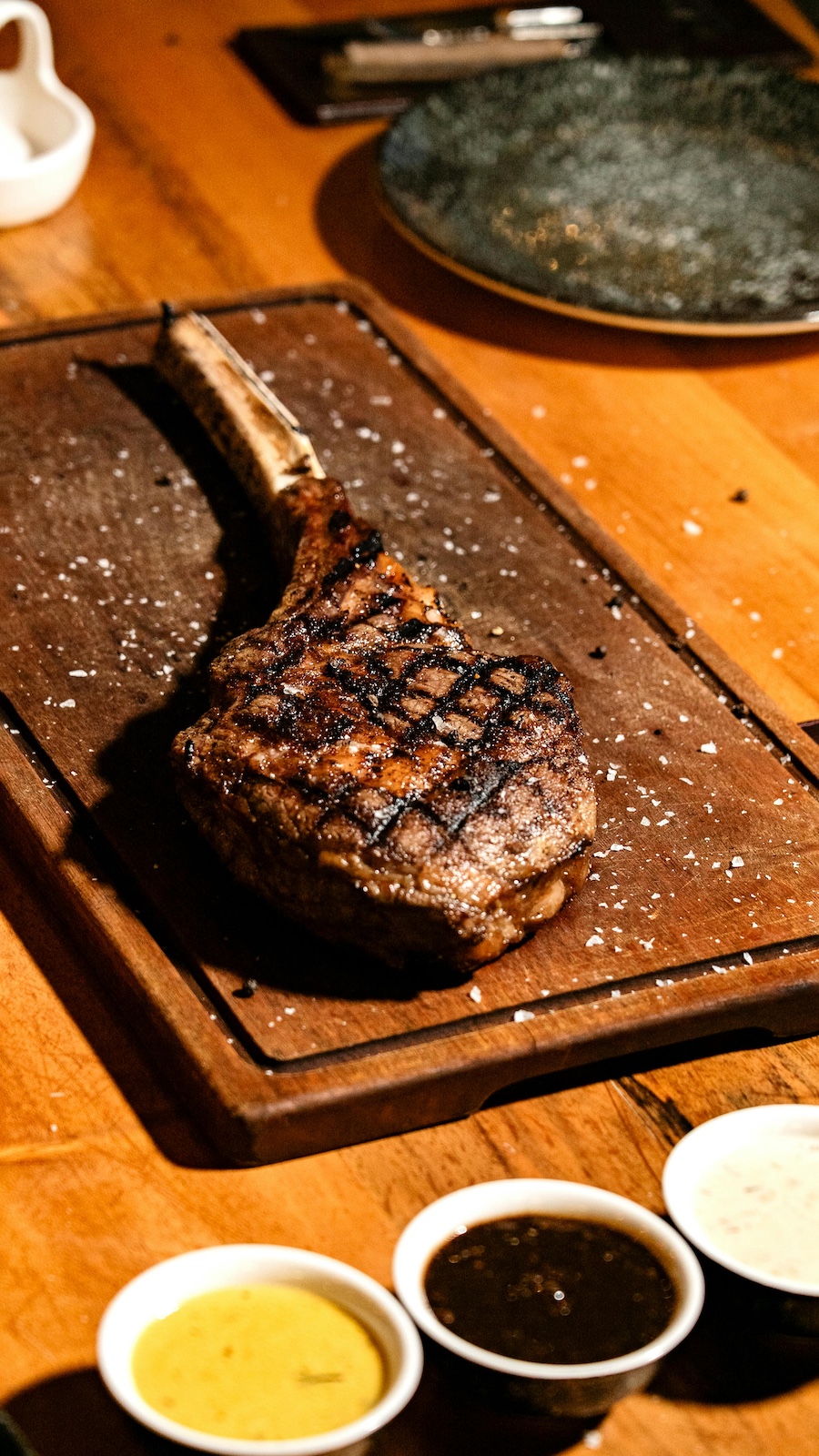
One of the biggest factors affecting the calories in steak is the cut. Leaner cuts like sirloin or filet mignon contain less fat and fewer calories, while fattier cuts like ribeye or T-bone contain more fat, increasing overall calorie density. This makes steak a flexible option depending on your dietary goals.
Steak is also an excellent source of iron, zinc, vitamin B12, and creatine. Iron from red meat is highly bioavailable, meaning the body absorbs it efficiently, which supports energy levels and prevents fatigue. Vitamin B12 plays a key role in nerve function and red blood cell production, while zinc supports immune health. Creatine, naturally found in red meat, helps support strength and muscle performance.
Because calorie content varies by cut and preparation, tracking steak accurately can be challenging. Grilling or pan-searing with minimal oil keeps calories lower, while adding butter, oils, or sauces increases total calorie intake. Many people now use tools that can scan food calories instantly to estimate calories from meals without manually calculating portions or fat content. Learn how to scan food calories here.
Steak can be part of a weight loss diet when consumed in moderation and when leaner cuts are chosen. Because steak is high in protein, it helps promote satiety, meaning it keeps you feeling full for longer periods of time. This can help reduce overall calorie intake throughout the day.
A typical 3 ounce serving of steak provides over 20 grams of protein, making it effective for preserving muscle mass while losing body fat. Maintaining muscle is important during weight loss because it supports metabolism and helps the body burn more calories at rest.
However, steak can also be calorie-dense depending on the cut. Fattier cuts like ribeye contain significantly more calories than leaner options like sirloin. Choosing lean cuts and controlling portion sizes are key strategies for including steak in a calorie-controlled diet.
Cooking method also plays a major role. Grilled or baked steak without added fats will be lower in calories compared to steak cooked with butter or heavy sauces. Pairing steak with vegetables or lower-calorie sides can help create a more balanced meal.
For accurate tracking, especially when eating different cuts or restaurant meals, many people use tools that can scan food calories directly from a photo. This makes it easier to stay consistent with calorie goals without needing to manually estimate portions.

Yes. By choosing lean cuts and controlling portion sizes, steak can be included in a weight loss diet.
Yes. Steak is high in protein, providing around 26 grams per 100 grams, making it a great option for muscle building and recovery.
Leaner cuts like sirloin and filet mignon typically have fewer calories compared to fattier cuts like ribeye.
Steak contains about 271 calories per 100 grams on average, but this varies depending on the cut and fat content.

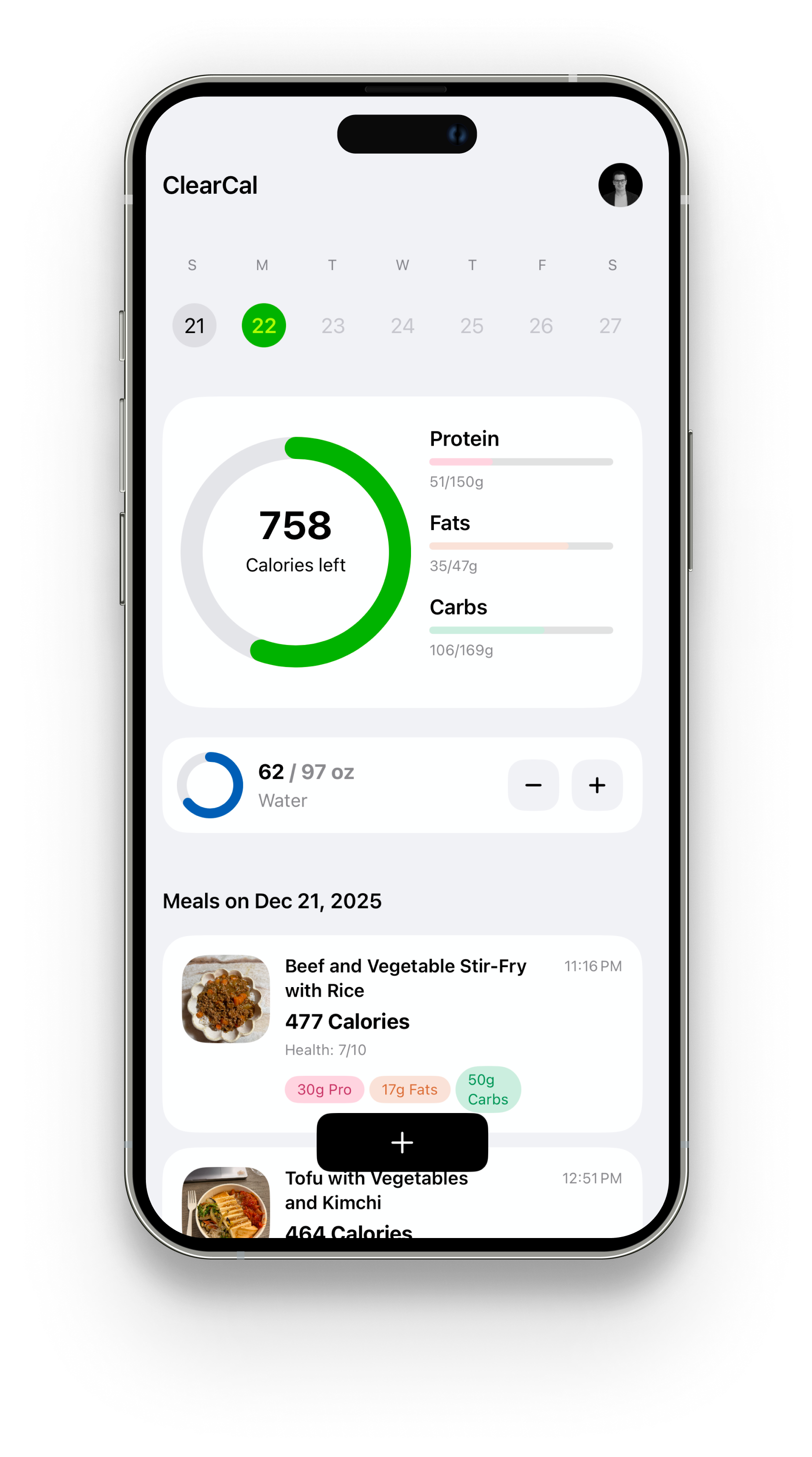
Snap a photo or describe your meal, and ClearCal analyzes each meal so you can acheive your goals without the headaches.


