Salmon is one of the most nutrient-dense fish you can eat, known for its high protein content and healthy omega-3 fats. While salmon is slightly higher in calories than lean meats, it provides essential nutrients that support heart health, brain function, and overall wellness. Understanding the calories in salmon by serving size can help you balance your meals and stay aligned with your nutrition goals.

| Serving Size | Calories |
|---|---|
| 1 oz salmon | 59 |
| 3 oz salmon | 177 |
| 6 oz salmon | 354 |
| 1 cup cooked salmon | 367 |
Salmon is a highly nutritious food that provides a balanced combination of protein and healthy fats, particularly omega-3 fatty acids. A 100 gram serving contains about 20 grams of high-quality protein along with 13 grams of fat, most of which comes from heart-healthy omega-3s.
Omega-3 fatty acids play an important role in reducing inflammation, supporting brain health, and improving cardiovascular function. This makes salmon one of the most recommended protein sources for long-term health. Unlike many other protein sources, the fats in salmon are considered beneficial and essential for overall wellness.
Salmon is also rich in key micronutrients such as vitamin D, vitamin B12, selenium, and potassium. Vitamin D supports bone health and immune function, while vitamin B12 is essential for energy production and nervous system health. Selenium acts as an antioxidant, helping protect cells from damage.
Because salmon contains more fat than lean proteins like chicken breast (/calories-in-chicken-breast), it is naturally more calorie-dense. However, these calories come with significant nutritional benefits, making salmon a high-quality addition to a balanced diet.
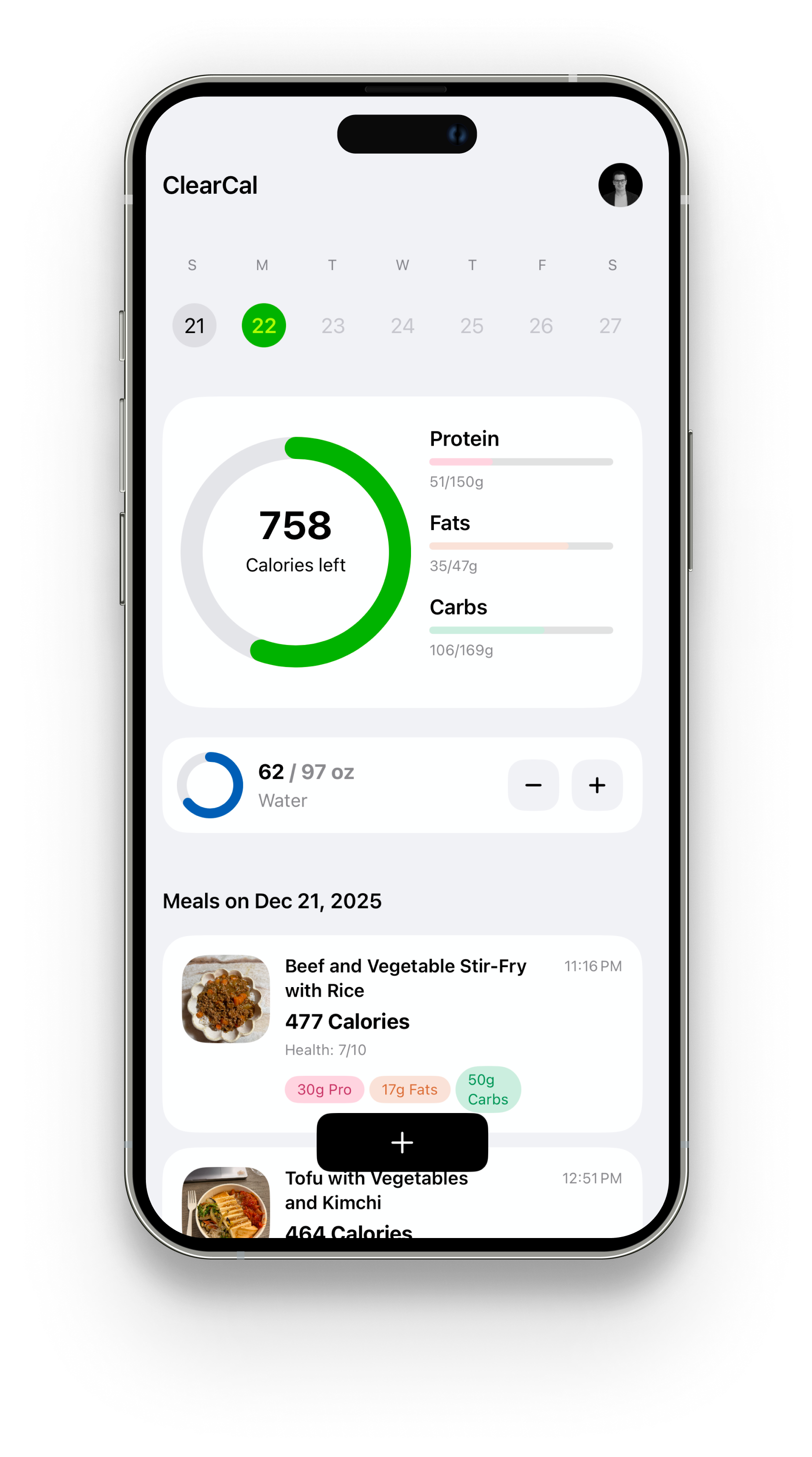
When tracking meals, portion size and preparation matter. Grilled, baked, or air-fried salmon will have fewer added calories compared to salmon cooked with butter or heavy sauces. For more accurate tracking, many people now use tools that can scan food calories instantly to estimate nutrition from real meals. You can learn how to scan food calories here.
Salmon can be an excellent food for weight loss when eaten in appropriate portions. While it is higher in calories than lean meats, it is also more filling due to its combination of protein and healthy fats. This can help reduce overall calorie intake by keeping you satisfied for longer periods of time.
A typical 3 ounce serving of salmon provides around 177 calories and delivers both protein and omega-3 fats, which can help regulate appetite and support metabolic health. The combination of protein and fat slows digestion, leading to improved satiety compared to low-fat foods.
Protein is essential during weight loss because it helps preserve lean muscle mass, which supports metabolism. Salmon provides a solid amount of protein while also delivering nutrients that support overall health, making it a well-rounded option for a calorie-controlled diet.
To keep calories in check, it is best to prepare salmon using methods like grilling, baking, or air frying without excessive added fats. Pairing salmon with vegetables or other low-calorie foods can help create balanced meals that support weight loss goals.
Tracking intake is especially important when eating calorie-dense foods like salmon. Many people now use AI tools that can scan food calories from a photo to estimate calories and portion sizes more accurately.

Both are healthy options. Chicken breast is lower in calories, while salmon provides beneficial omega-3 fats and additional nutrients.
Yes. Salmon is filling due to its protein and fat content, which can help reduce overall calorie intake when eaten in proper portions.
Yes, but the fat in salmon is mostly healthy omega-3 fatty acids, which support heart and brain health.
Salmon contains about 208 calories per 100 grams, though this can vary slightly depending on the type of salmon and how it is prepared.

Snap a photo or describe your meal, and ClearCal analyzes each meal so you can acheive your goals without the headaches.