Shrimp is one of the lowest-calorie high-protein foods you can eat, making it a popular choice for weight loss, muscle building, and healthy eating. Whether grilled, boiled, or sautéed, shrimp provides a large amount of protein with very little fat or carbohydrates. Understanding the calories in shrimp by serving size can help you plan meals more effectively and stay aligned with your nutrition goals.
| Serving Size | Calories |
|---|---|
| 1 oz shrimp | 28 |
| 3 oz shrimp | 84 |
| 10 medium shrimp | 70 |
| 1 cup shrimp | 179 |
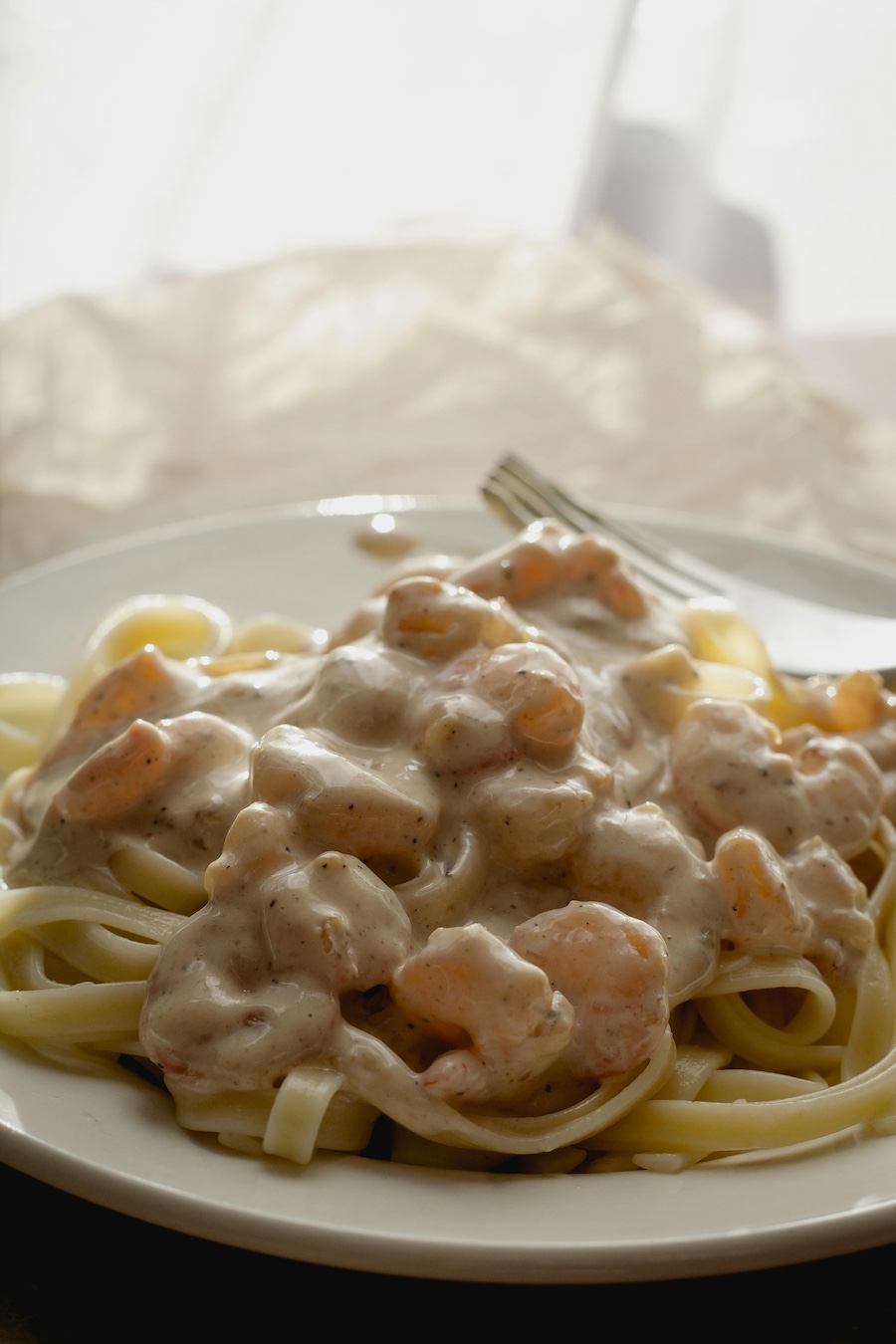
Shrimp is one of the most calorie-efficient protein sources available, making it ideal for people who want to maximize protein intake while minimizing calories. A 100 gram serving provides about 24 grams of high-quality protein with almost no fat and virtually no carbohydrates.
Because shrimp is a complete protein, it contains all essential amino acids needed for muscle repair, recovery, and overall body function. This makes it a popular choice in high-protein diets, fitness meal plans, and calorie-controlled nutrition strategies.
Shrimp is also rich in key micronutrients such as selenium, vitamin B12, iodine, and phosphorus. Selenium acts as a powerful antioxidant, while vitamin B12 supports energy production and nervous system health. Iodine is especially important for thyroid function, which plays a role in metabolism.
Another unique compound found in shrimp is astaxanthin, an antioxidant that may support heart health and reduce inflammation. Despite its low fat content, shrimp still provides important nutrients that support overall health.
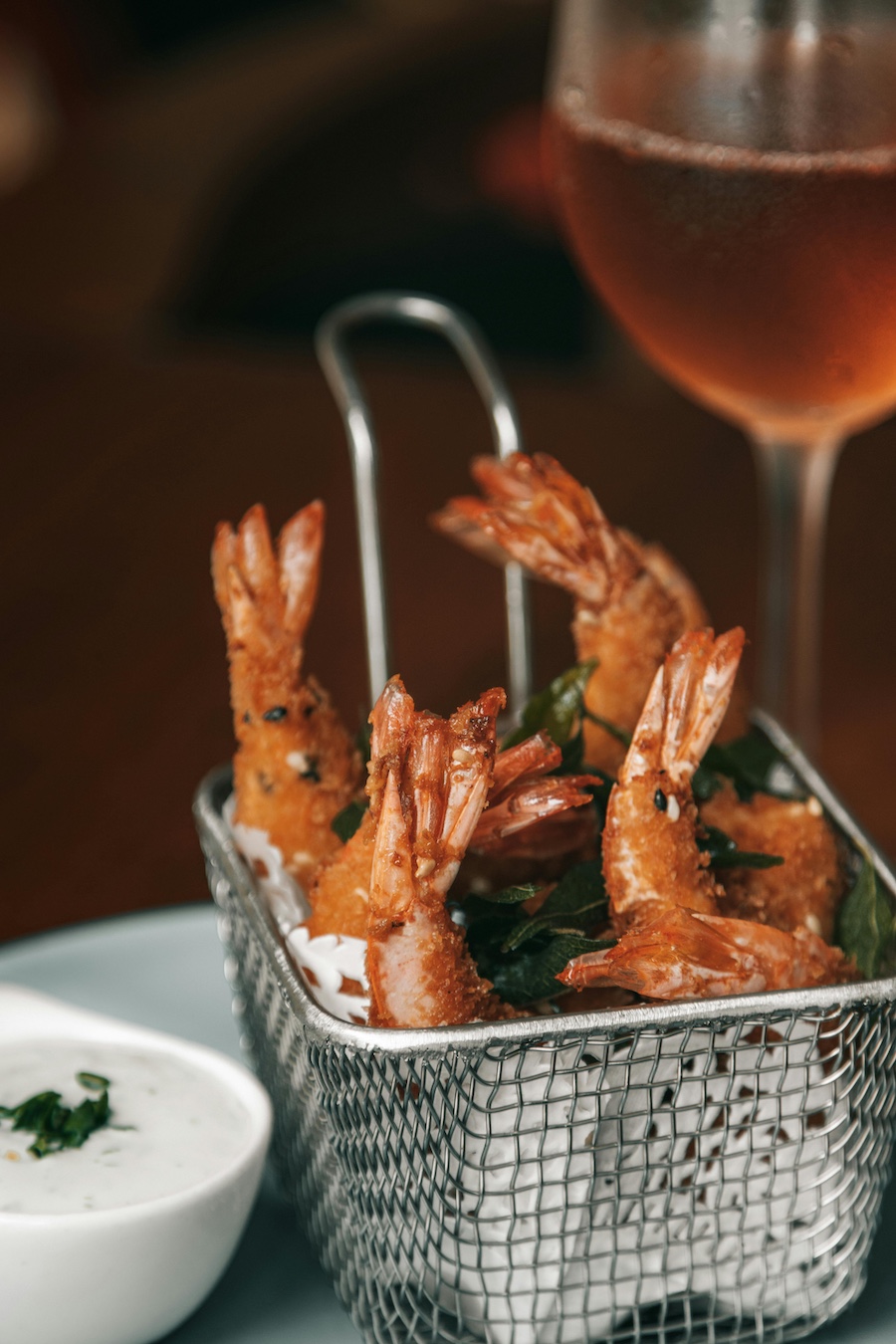
Because shrimp is so lean, the biggest factor affecting calories is how it is prepared. Grilled, boiled, or steamed shrimp will remain low in calories, while fried shrimp or shrimp cooked in butter or heavy sauces can significantly increase calorie content.
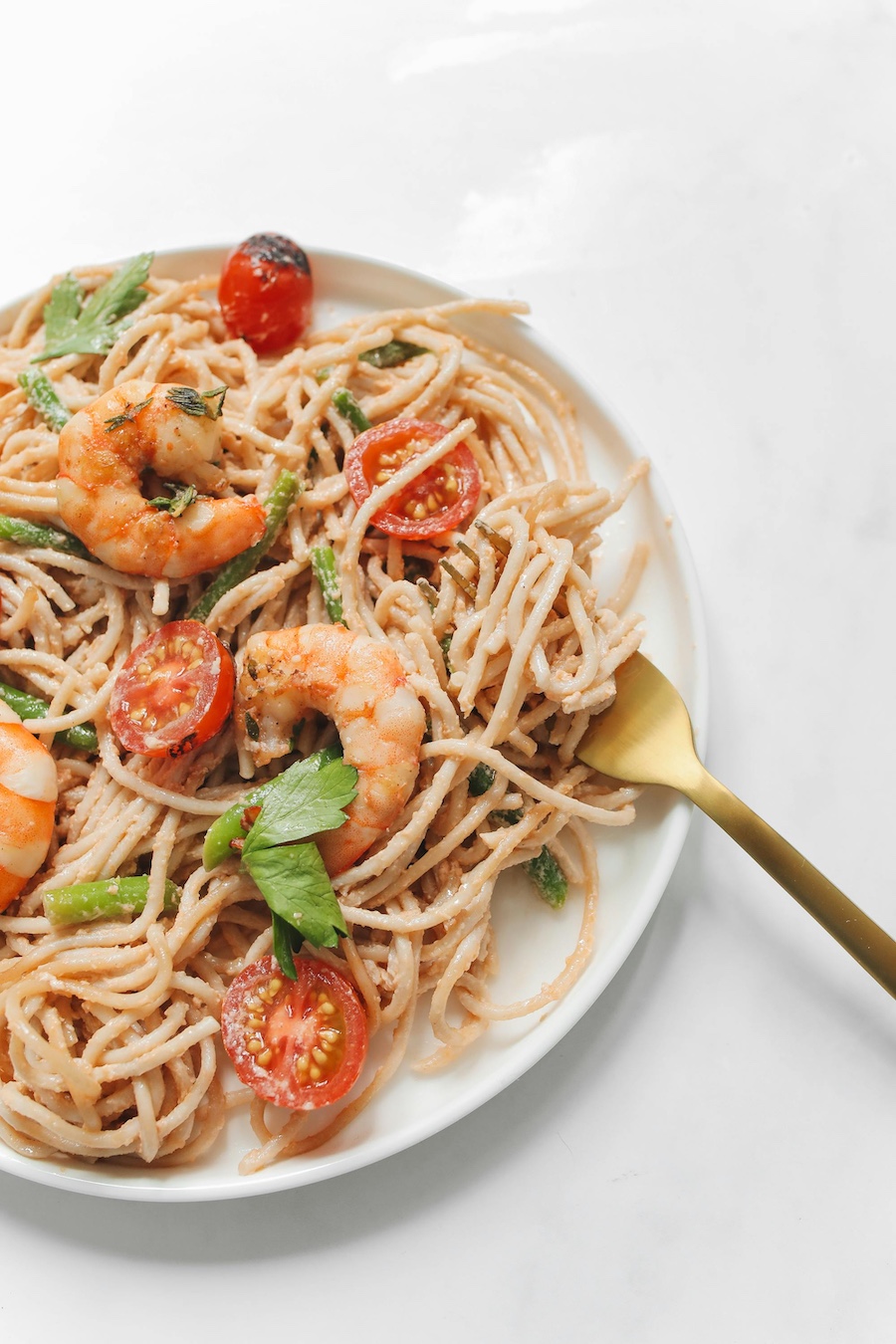
When tracking meals, especially mixed dishes like shrimp pasta or stir fry, estimating calories can be difficult. Many people now use tools that can scan food calories instantly to get a more accurate estimate without manually logging every ingredient. Learn how to scan food calories here.
If you're looking for faster and easier tracking, tools like an AI calorie tracker or a food calorie scanner can simplify the process.
Shrimp is one of the best foods for weight loss because it delivers a high amount of protein for very few calories. Protein helps increase satiety, meaning it keeps you full longer and reduces overall calorie intake throughout the day.
A 3 ounce serving of shrimp contains only about 84 calories while providing over 20 grams of protein. This makes shrimp one of the most efficient foods for maintaining a calorie deficit while still supporting muscle preservation.
Because shrimp is so low in fat, it allows for larger portion sizes without significantly increasing calorie intake. This can be especially helpful for people who prefer higher-volume meals when dieting.
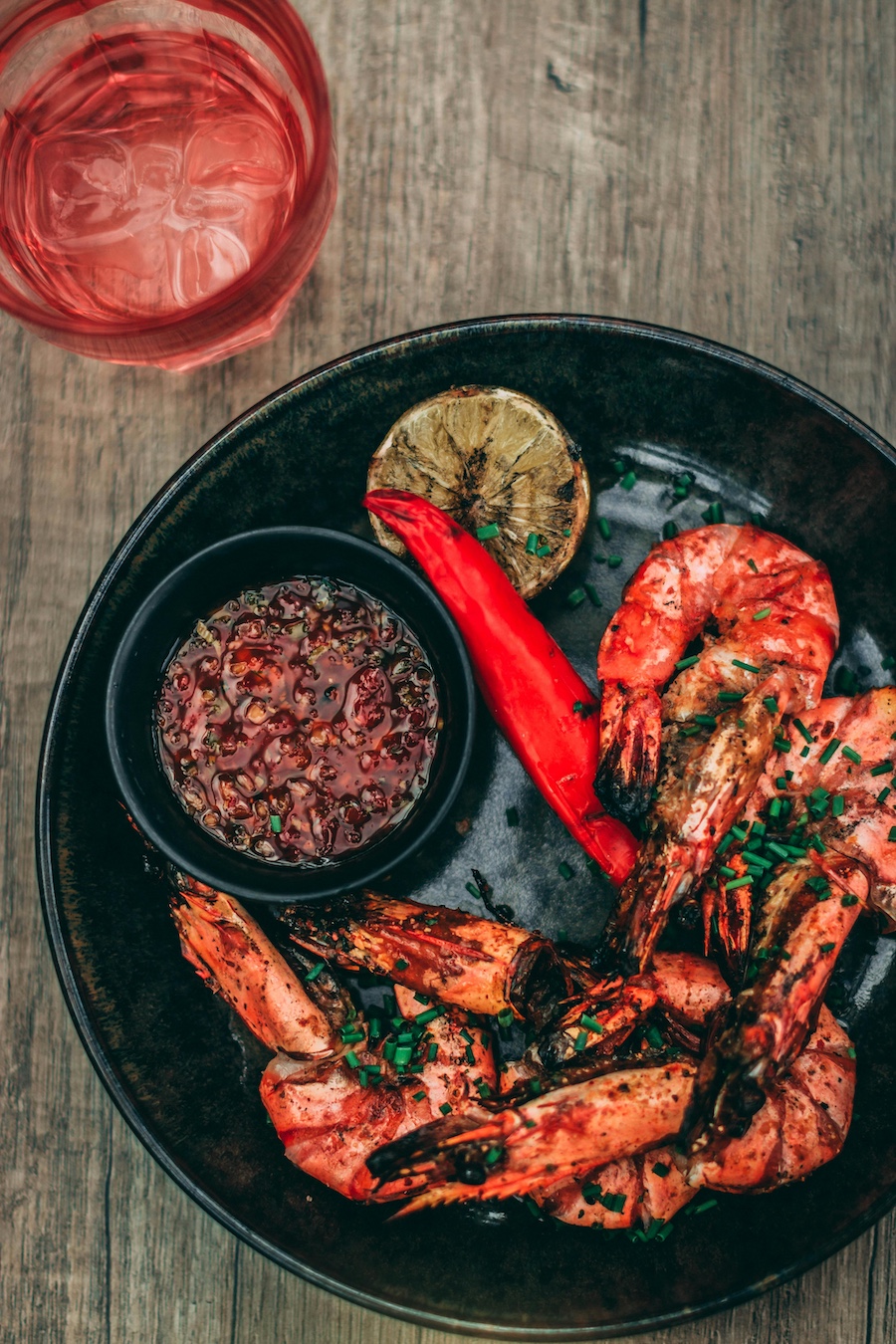
However, preparation is key. Fried shrimp or shrimp cooked with butter, oils, or creamy sauces can quickly increase calorie content. For weight loss, it is best to choose grilled, steamed, or boiled shrimp and pair it with vegetables or other low-calorie foods.
Consistency is one of the biggest challenges in weight loss. Many people struggle with traditional calorie tracking methods, which is why tools that allow you to scan food calories or use a calorie tracker with camera are becoming more popular.
If you're trying to stay consistent without overcomplicating the process, you may also want to explore calorie tracking without logging or learn how many calories you should eat based on your goals.

Shrimp contains virtually no carbohydrates, making it suitable for low-carb and high-protein diets.
Yes. Shrimp is very low in calories and high in protein, which helps support fat loss and muscle maintenance.
Yes. Shrimp provides about 24 grams of protein per 100 grams, making it an excellent lean protein option.
Shrimp contains about 99 calories per 100 grams, making it one of the lowest-calorie protein sources available.

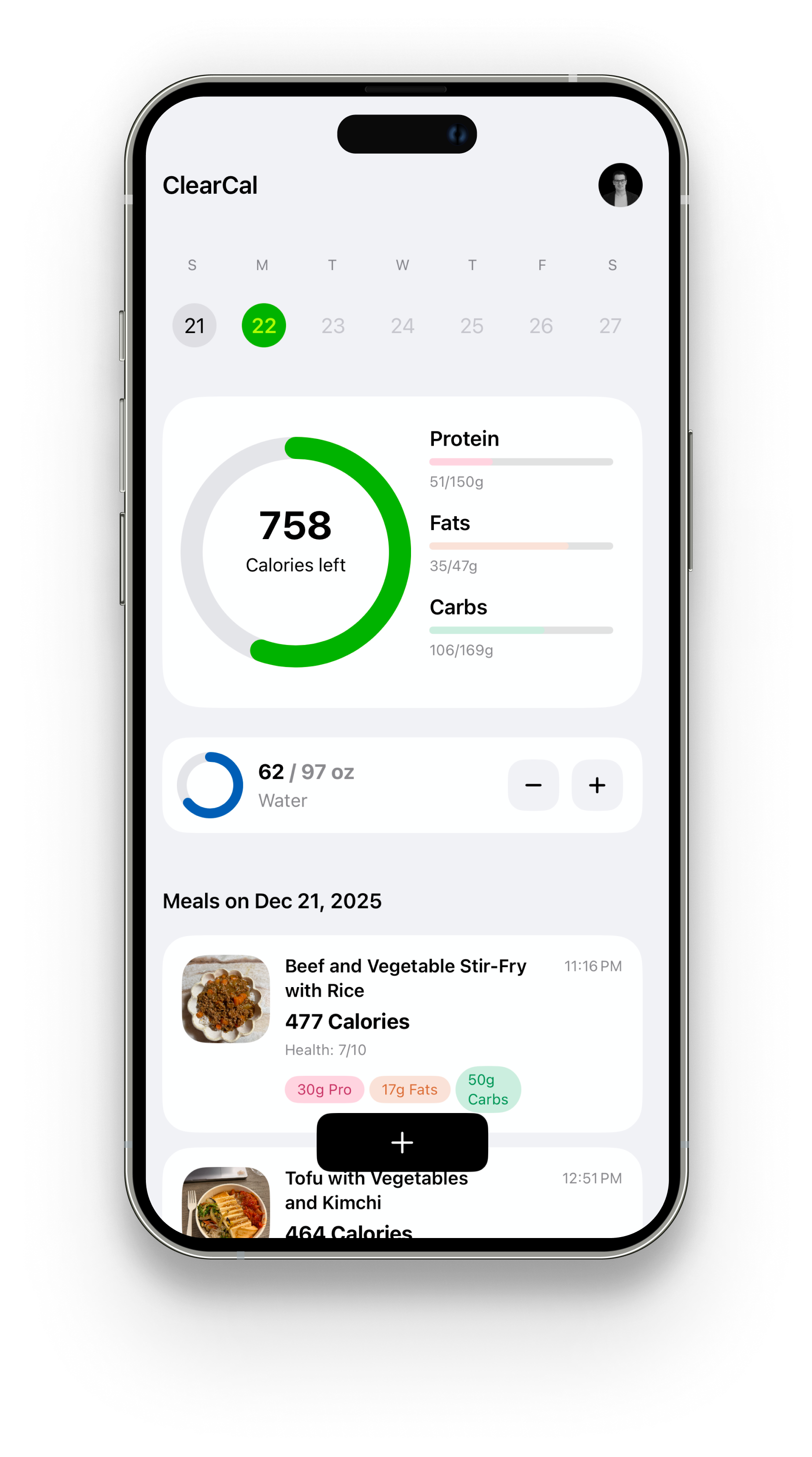
Snap a photo or describe your meal, and ClearCal analyzes each meal so you can acheive your goals without the headaches.