Brown rice is a whole grain that is often considered a healthier alternative to white rice due to its higher fiber and nutrient content. It provides a steady source of energy and is commonly included in balanced diets, weight loss plans, and fitness meal prep. Understanding the calories in brown rice by portion size can help you better manage your intake and build more effective meals.

| Serving Size | Calories |
|---|---|
| 1 oz cooked brown rice | 35 |
| ½ cup cooked brown rice | 108 |
| 1 cup cooked brown rice | 216 |
| 1 bowl brown rice (2 cups) | 432 |
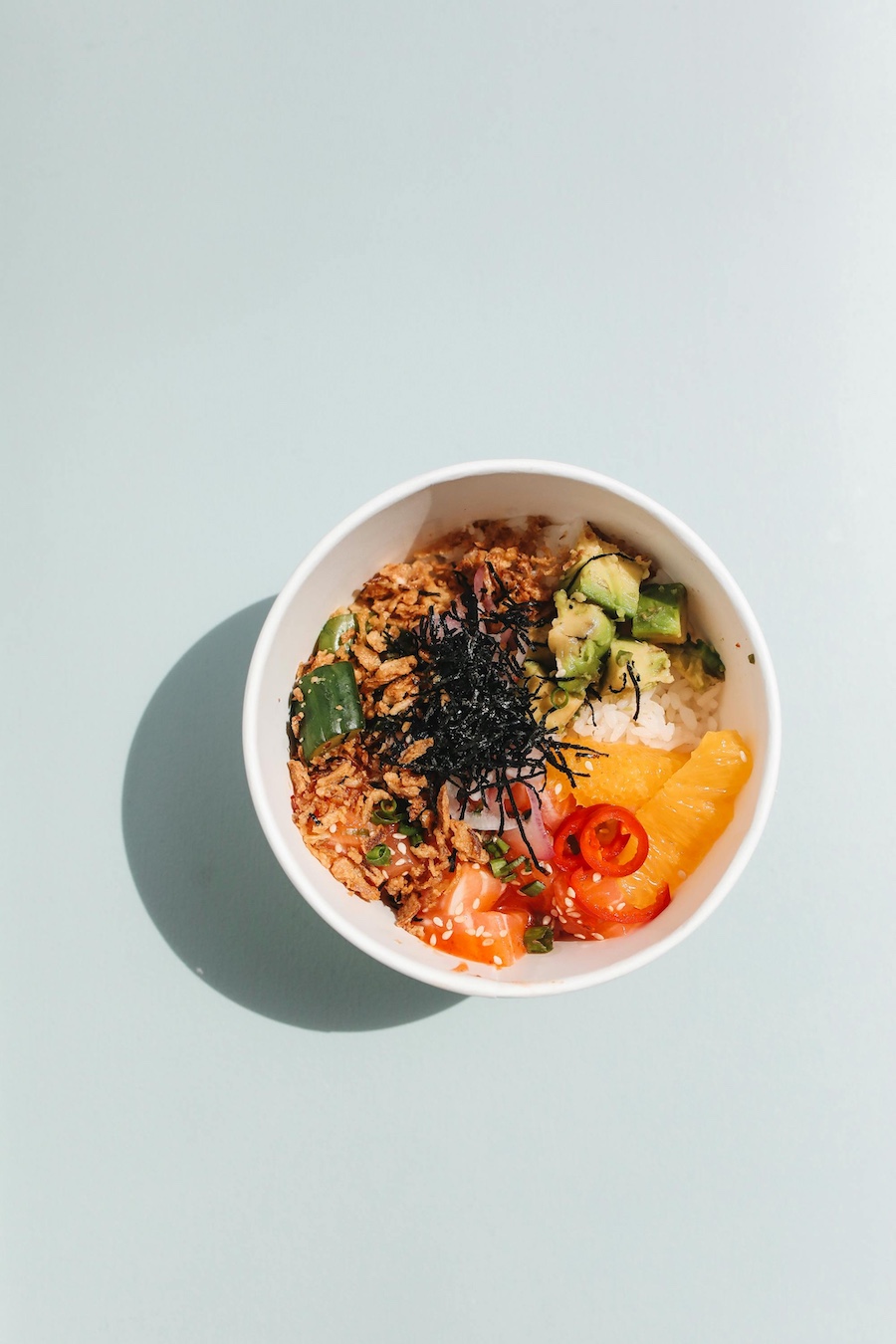
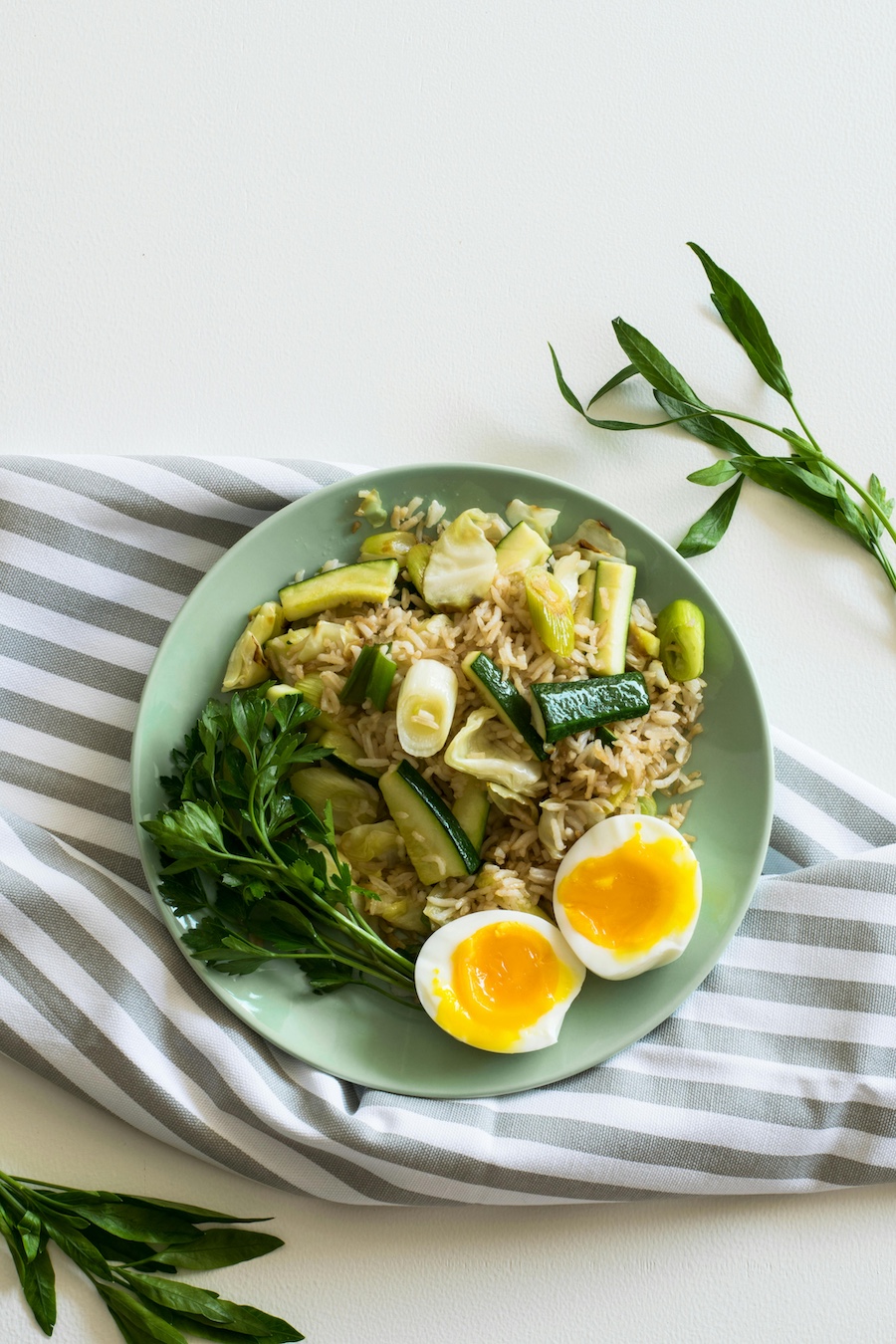
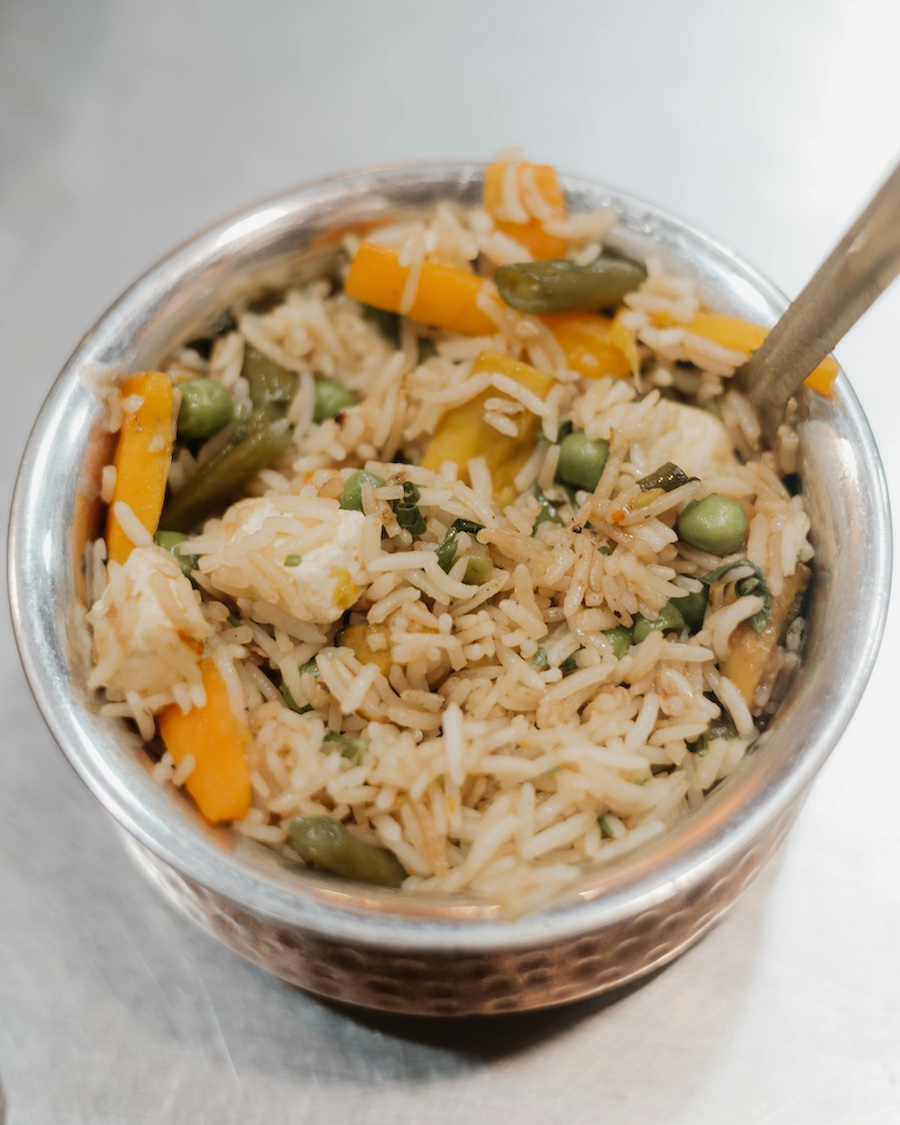
Brown rice is a whole grain that retains its bran and germ layers, which gives it a higher fiber and nutrient content compared to white rice. A 100 gram serving of cooked brown rice contains about 25 grams of carbohydrates along with fiber, which helps slow digestion and provides more sustained energy.
Unlike refined grains, brown rice contains important micronutrients such as magnesium, manganese, phosphorus, and B vitamins. Magnesium plays a key role in muscle function and energy production, while manganese supports metabolism and antioxidant activity.
The fiber content in brown rice is one of its main advantages. Fiber helps support digestion, regulate blood sugar levels, and increase satiety. This makes brown rice a more filling option compared to lower-fiber carbohydrate sources.
Because brown rice is more nutrient-dense than white rice (/calories-in-white-rice), it is often recommended as part of a balanced diet. It pairs well with lean proteins like chicken breast (/calories-in-chicken-breast), salmon (/calories-in-salmon), or turkey breast (/calories-in-turkey-breast) to create well-rounded meals.
Portion size still plays a major role in calorie intake. Even though brown rice is nutritious, larger portions can quickly increase total calories. When tracking meals that include rice, estimating portion sizes can be difficult, especially in mixed dishes.
Many people now use tools that can scan food calories instantly to estimate portions and calorie intake more accurately without manual tracking. Learn how to scan food calories here.
If you want a more flexible and modern approach, tools like an AI calorie tracker or a food calorie scanner can simplify tracking and improve consistency.
Brown rice can be a good option for weight loss when eaten in controlled portions. Its higher fiber content compared to white rice helps increase satiety, meaning it can keep you full for longer and reduce overall calorie intake.
A typical 1 cup serving of brown rice contains about 216 calories. While this is similar to white rice, the added fiber and slower digestion can help prevent spikes in blood sugar and reduce cravings.
For weight loss, brown rice is most effective when paired with protein and vegetables. Combining it with lean proteins like chicken breast or shrimp can create a more balanced meal that supports fat loss and muscle maintenance.
However, portion control is still important. Eating large portions of brown rice can lead to excess calorie intake, even though it is a healthy food.
Consistency in tracking is key for long-term results. Many people find that traditional calorie counting is difficult to maintain, which is why tools that allow you to scan food calories or use a calorie tracker for busy people are becoming more popular.
If you want to simplify your approach, you can also learn how to track calories without weighing food or determine your ideal intake using how many calories you should eat.

Yes. Brown rice is primarily a carbohydrate source, providing about 25 grams of carbs per 100 grams.
Yes. Its fiber content helps increase fullness, making it easier to control calorie intake.
Yes. Brown rice contains more fiber and nutrients because it is less processed than white rice.
Brown rice contains about 123 calories per 100 grams when cooked, or around 216 calories per cup.

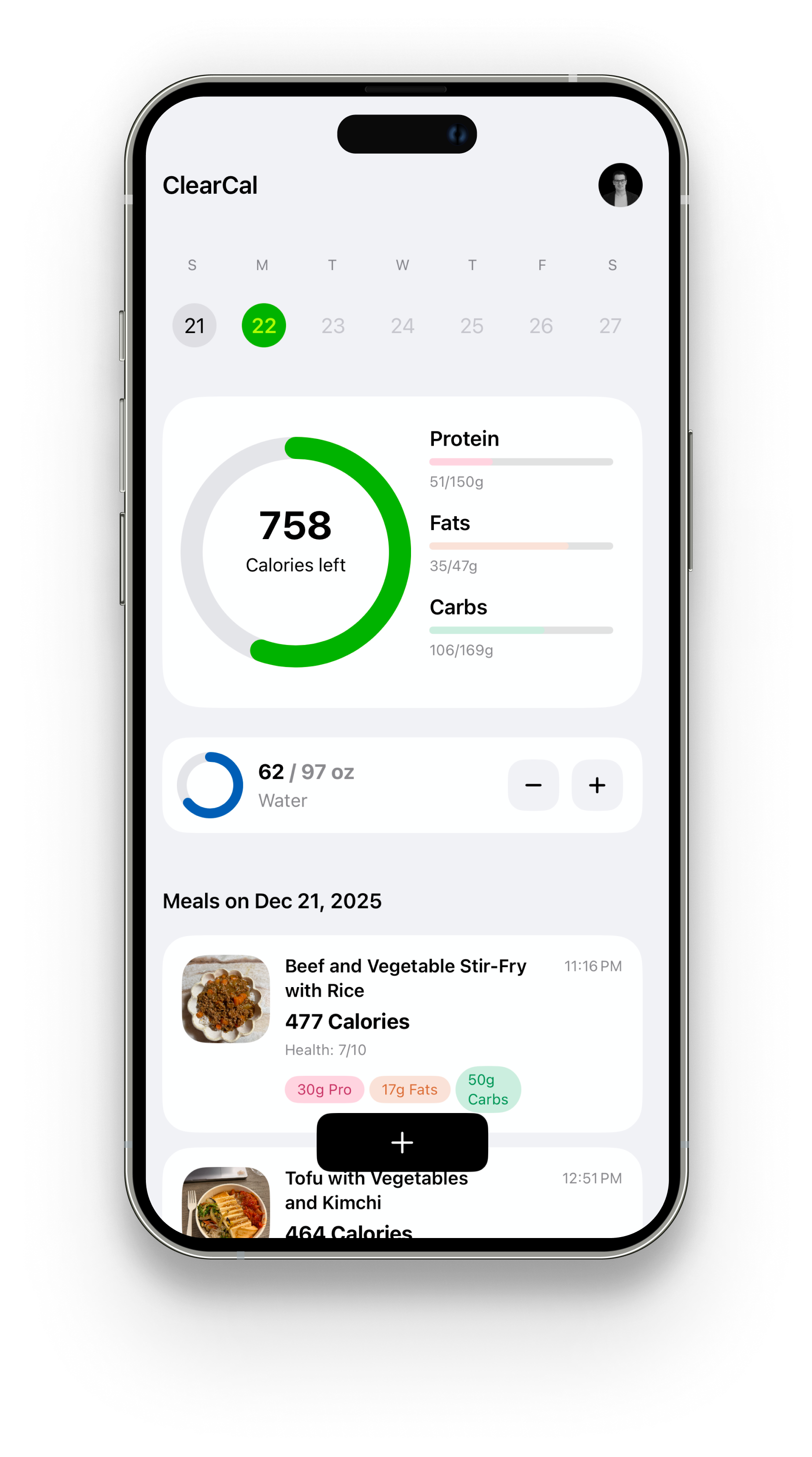
Snap a photo or describe your meal, and ClearCal analyzes each meal so you can acheive your goals without the headaches.


