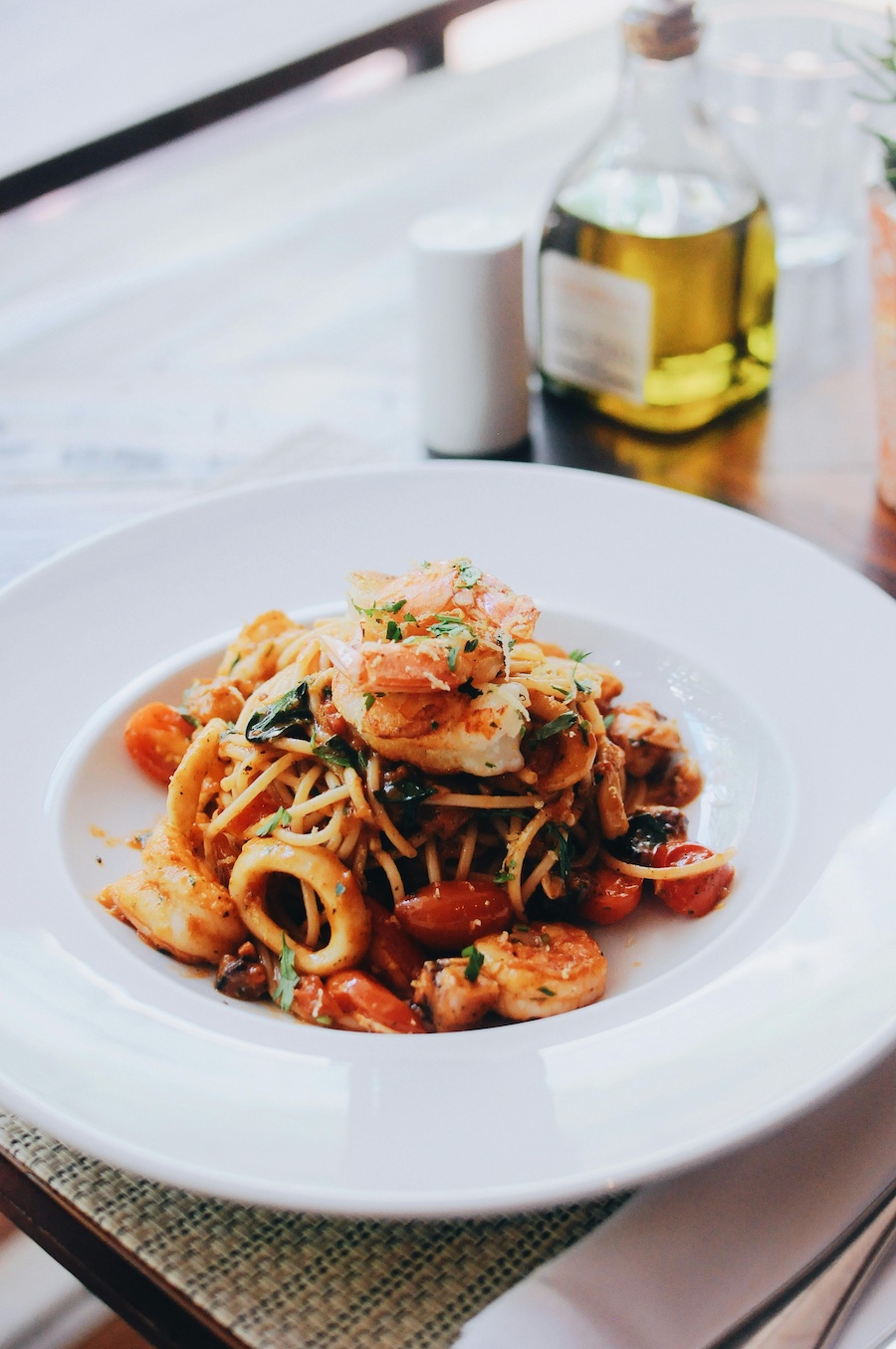
Spaghetti is one of the most popular types of pasta and a staple in many meals around the world. It is primarily a carbohydrate source that provides energy and pairs well with a variety of sauces, proteins, and vegetables. Understanding the calories in spaghetti by serving size can help you better manage your diet and make more informed nutrition choices.
| Serving Size | Calories |
|---|---|
| 1 oz cooked spaghetti | 45 |
| ½ cup cooked spaghetti | 110 |
| 1 cup cooked spaghetti | 220 |
| 1 bowl spaghetti (2 cups) | 440 |
Spaghetti is a carbohydrate-rich food that provides the body with a steady source of energy. A 100 gram serving of cooked spaghetti contains around 31 grams of carbohydrates, making it a common choice for fueling workouts, daily activity, and recovery.
In addition to carbohydrates, spaghetti contains moderate amounts of protein and very little fat. While it is not a complete protein source, it can contribute to daily protein intake when paired with foods like chicken breast, ground beef, or seafood. Whole wheat spaghetti varieties also contain more fiber, which can help improve digestion and increase satiety.
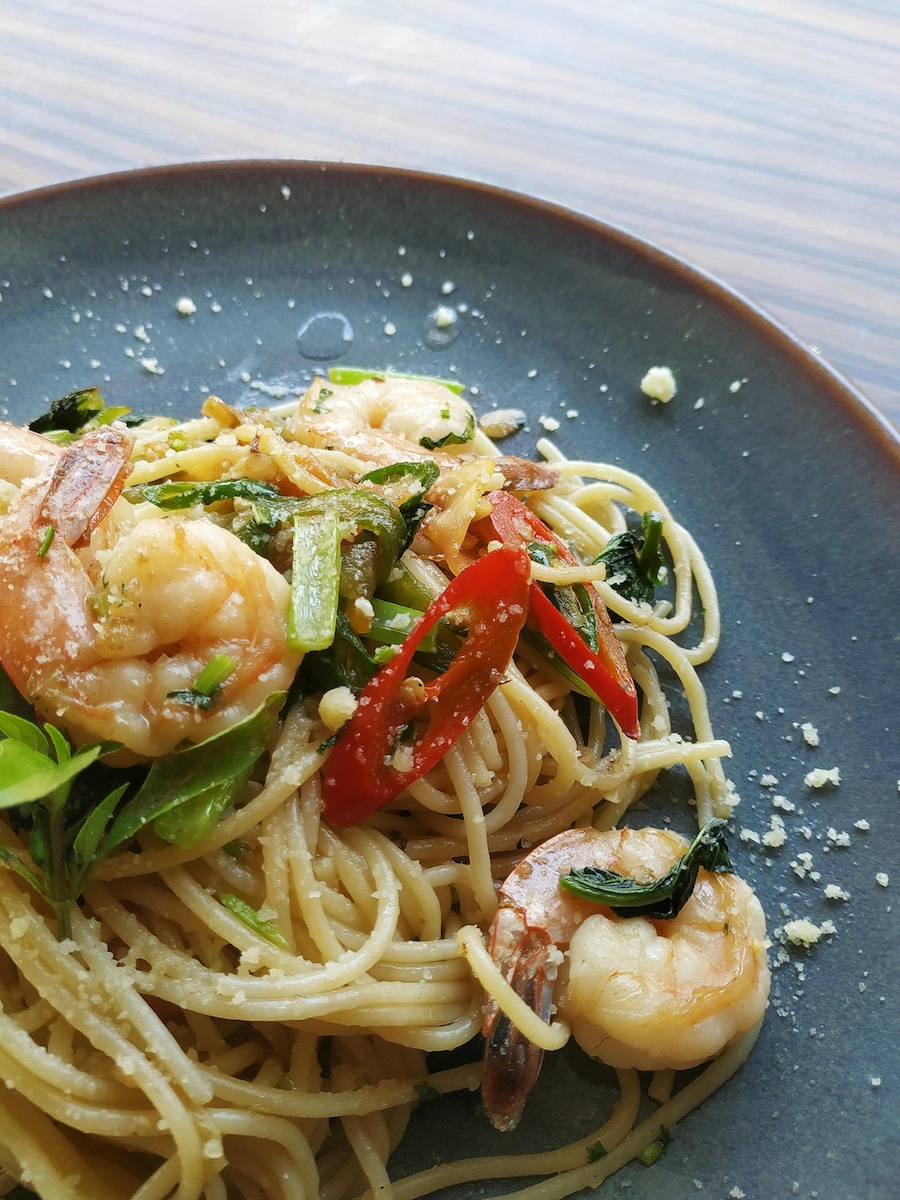
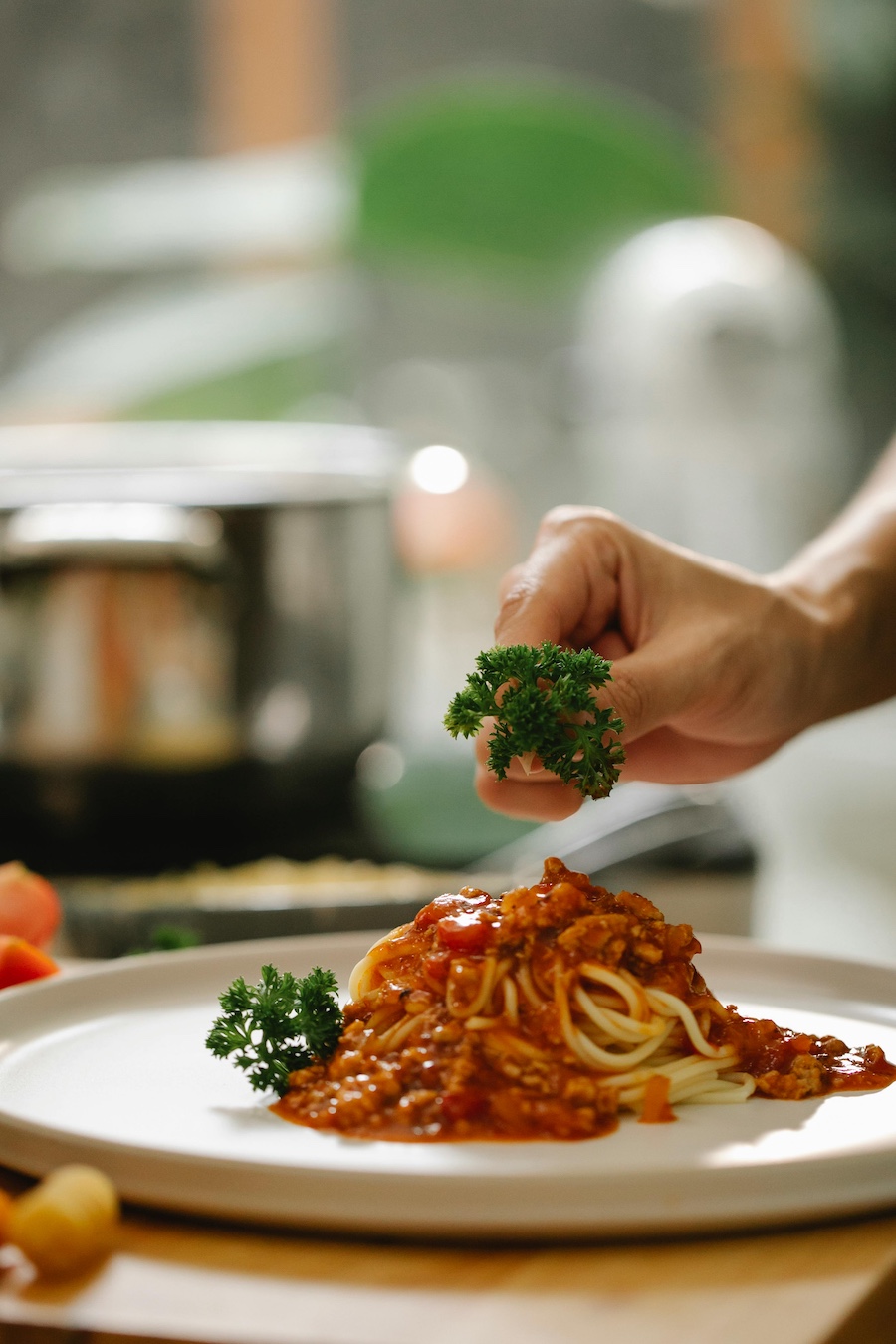
Spaghetti also provides essential micronutrients such as iron and B vitamins, which support energy metabolism and overall health. However, the total calorie content of a spaghetti meal depends heavily on what it is served with. Sauces, oils, cheese, and meats can significantly increase calories beyond the base pasta.
Because spaghetti is often served in large portions, it is easy to underestimate calorie intake. This is especially true in restaurant meals or dishes like spaghetti with meat sauce or Alfredo. Many people now use tools that can scan food calories to estimate meals more accurately without manually logging each ingredient.
If you want a faster and more consistent way to track meals, tools like an AI calorie tracker or a photo calorie counter can simplify the process and reduce friction.
Spaghetti can be part of a weight loss diet, but portion control and meal composition are key. Because it is primarily made up of carbohydrates, it may not be as filling on its own compared to meals that include protein and fiber.
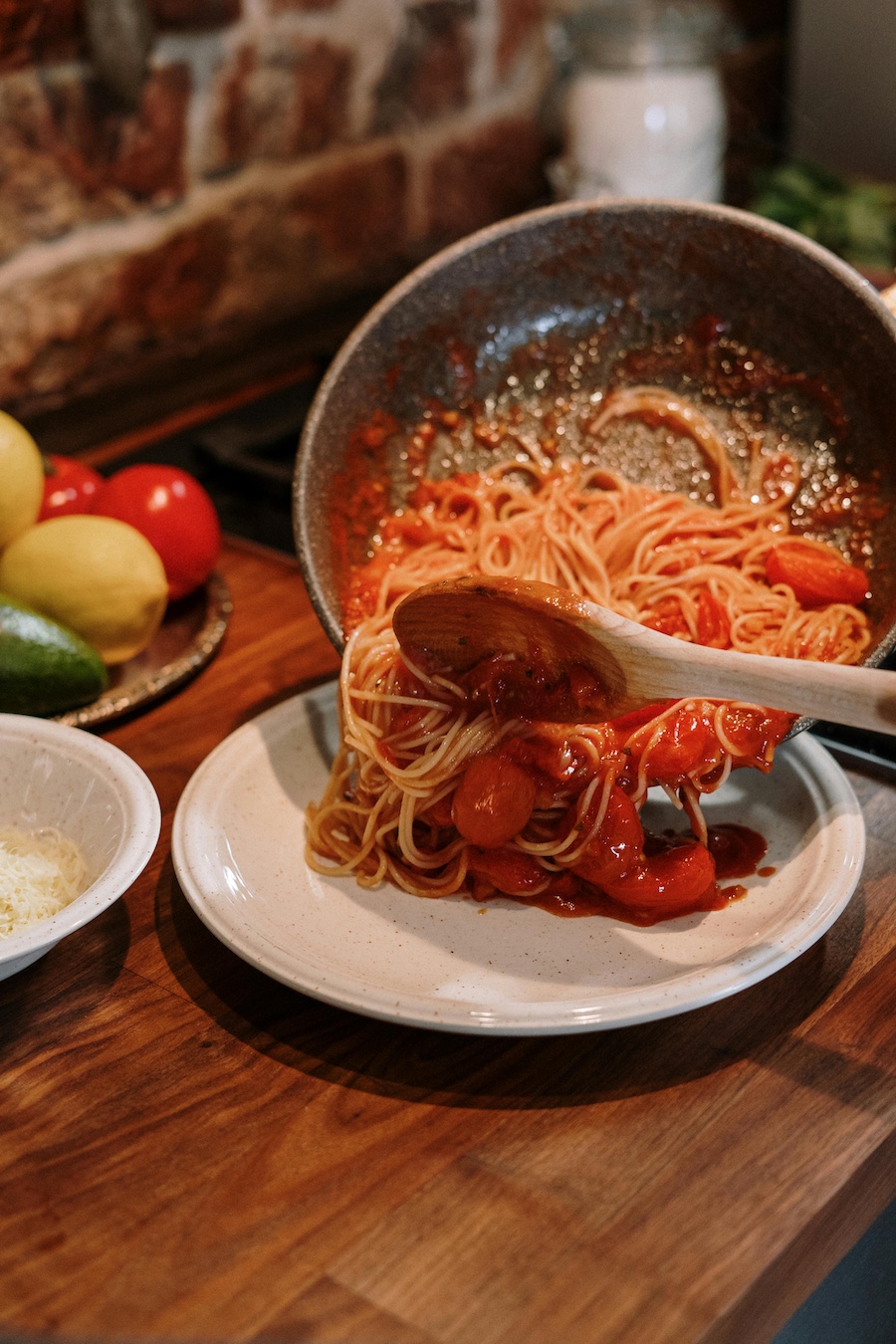
A typical 1 cup serving of cooked spaghetti contains around 220 calories. While this is reasonable, portion sizes can easily double or triple in real-world meals, which can lead to higher calorie intake than expected.
For weight loss, it is often more effective to combine spaghetti with lean protein sources like chicken, turkey, or shrimp and add vegetables to increase volume and satiety. Choosing whole wheat spaghetti can also help increase fiber intake and improve fullness.
Tracking intake consistently is one of the biggest factors in achieving results. Many people find traditional calorie tracking difficult, which is why tools that allow you to scan food calories or use a calorie tracker with camera are becoming more popular.
If you want to simplify your approach, you can also explore how to track calories without weighing food or understand why calorie counting fails so you can build a more sustainable system.

Spaghetti has a similar nutritional profile to other pasta types. Whole wheat versions provide more fiber and nutrients.
Yes. As long as portion sizes and total calorie intake are controlled, spaghetti can be included in a weight loss diet.
Yes. Spaghetti is primarily made up of carbohydrates, providing about 31 grams per 100 grams.
Cooked spaghetti contains about 158 calories per 100 grams, or around 220 calories per cup.

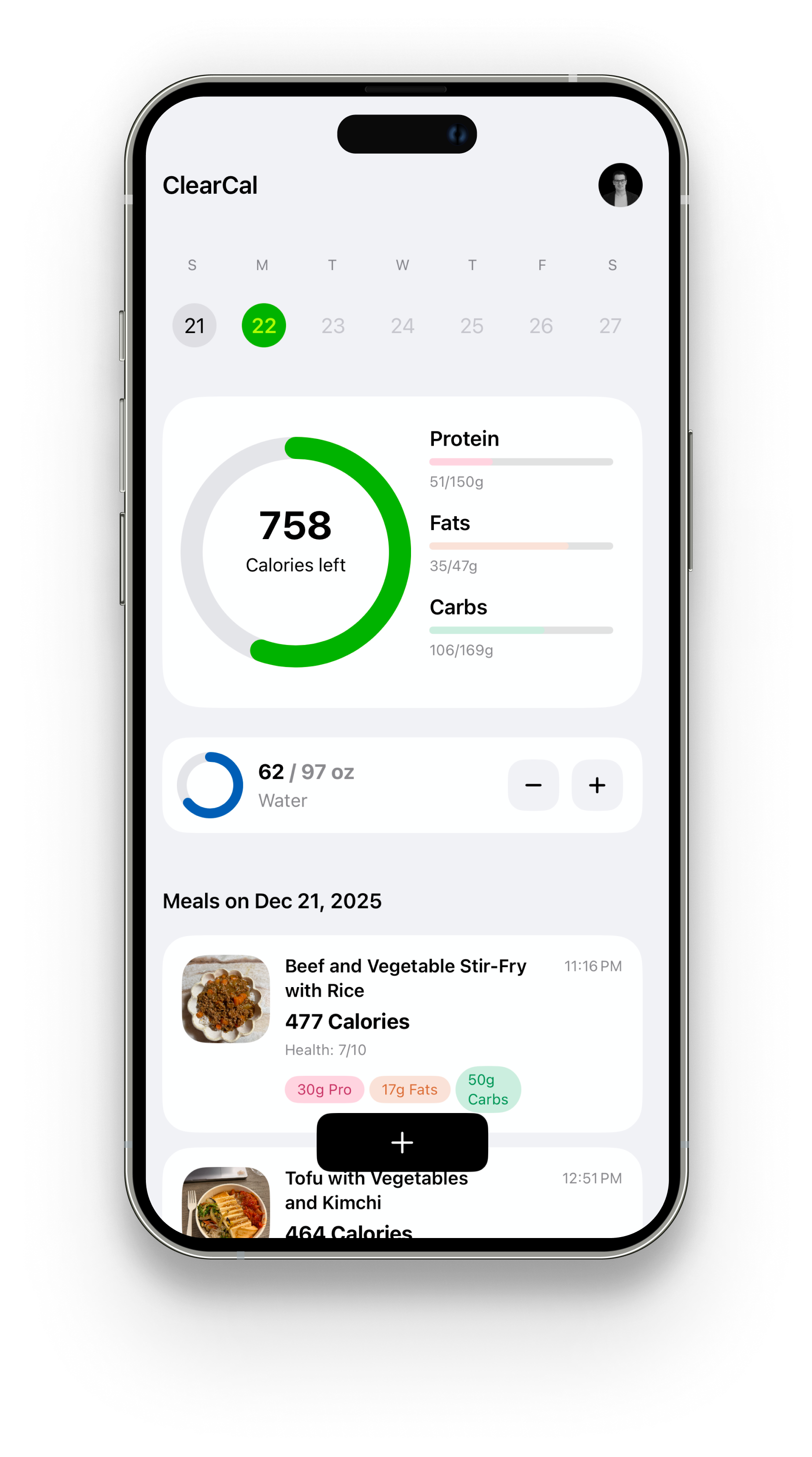
Snap a photo or describe your meal, and ClearCal analyzes each meal so you can acheive your goals without the headaches.


