Sweet potatoes are a nutrient-dense carbohydrate source known for their natural sweetness and high vitamin content. They are commonly included in healthy diets, meal prep plans, and weight loss programs due to their fiber and micronutrient profile. Understanding the calories in sweet potatoes by portion size and preparation method can help you better manage your calorie intake and make smarter nutrition decisions.

| Serving Size | Calories |
|---|---|
| 1 small sweet potato (130g) | 117 |
| 1 medium sweet potato (180g) | 162 |
| 1 large sweet potato (250g) | 225 |
| 1 cup mashed sweet potatoes | 180 |


Sweet potatoes are a highly nutritious carbohydrate source that provides energy along with a wide range of vitamins and minerals. A 100 gram serving contains about 21 grams of carbohydrates, making them a steady source of fuel for the body.
One of the biggest nutritional advantages of sweet potatoes is their high content of vitamin A (in the form of beta-carotene), vitamin C, potassium, and fiber. Vitamin A supports vision and immune health, while potassium helps regulate fluid balance and muscle function.
The fiber in sweet potatoes helps slow digestion and can improve satiety, making them more filling than many refined carbohydrate sources. This can help stabilize blood sugar levels and reduce hunger throughout the day.
Sweet potatoes are also naturally low in fat and relatively low in calories compared to many other carbohydrate foods. However, the total calorie content can increase depending on how they are prepared. Adding butter, oils, or sugary toppings can significantly raise calorie intake.
When tracking meals that include sweet potatoes—especially dishes like fries, casseroles, or mixed meals—it can be difficult to estimate calories accurately. Many people now use tools that can scan food calories to quickly analyze meals and estimate intake without manual tracking.
If you want a faster and more efficient approach, tools like an AI calorie tracker or a photo calorie counter can simplify tracking and improve consistency.
Sweet potatoes can be an excellent food for weight loss due to their combination of fiber, volume, and moderate calorie content. The fiber helps increase satiety, meaning you feel full longer after eating, which can reduce overall calorie intake.
A medium sweet potato contains around 160 calories, making it a relatively low-calorie, nutrient-dense option. Because they are filling, sweet potatoes can help reduce snacking and overeating throughout the day.
For weight loss, preparation is key. Baked or boiled sweet potatoes are much lower in calories compared to fried versions like sweet potato fries, which can be significantly higher due to added oils.
Pairing sweet potatoes with lean proteins such as chicken, turkey, or fish can create balanced meals that support fat loss and muscle maintenance.
Consistency in tracking is one of the most important factors for success. Many people find traditional calorie counting difficult to maintain, which is why tools that allow you to scan food calories or use a calorie tracker with camera are becoming more popular.
If you want to simplify your approach, you can also explore how to track calories without weighing food or learn how many calories you should eat based on your goals.

Yes. Sweet potatoes are primarily a carbohydrate source, providing about 21 grams per 100 grams.
Yes. Sweet potatoes are filling and nutrient-dense, making them a great option for weight loss when eaten in controlled portions.
Sweet potatoes contain more vitamin A and antioxidants, while regular potatoes are slightly lower in calories. Both can be part of a healthy diet.
Sweet potatoes contain about 90 calories per 100 grams when baked, though this can vary depending on preparation.

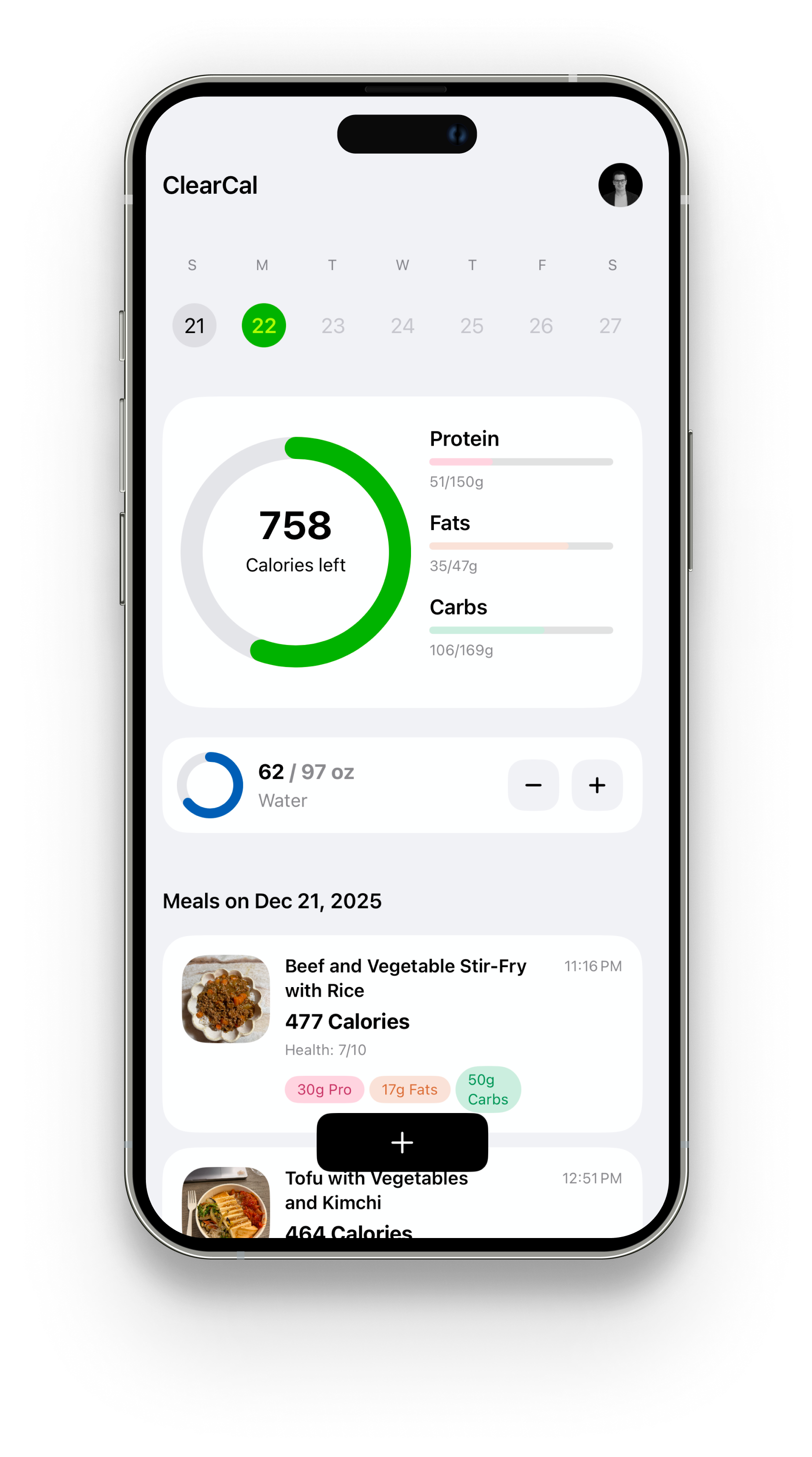
Snap a photo or describe your meal, and ClearCal analyzes each meal so you can acheive your goals without the headaches.


