Tortillas are a staple food in many diets, commonly used for tacos, wraps, burritos, and quesadillas. They come in different varieties, including flour tortillas and corn tortillas, each with slightly different calorie and nutrient profiles. Understanding the calories in tortillas by type and portion size can help you better manage your diet and make smarter food choices.

| Serving Size | Calories |
|---|---|
| 1 small tortilla (6-inch) | 90 |
| 1 medium tortilla (8-inch) | 140 |
| 1 large tortilla (10-inch) | 220 |
| 2 medium tortillas | 280 |
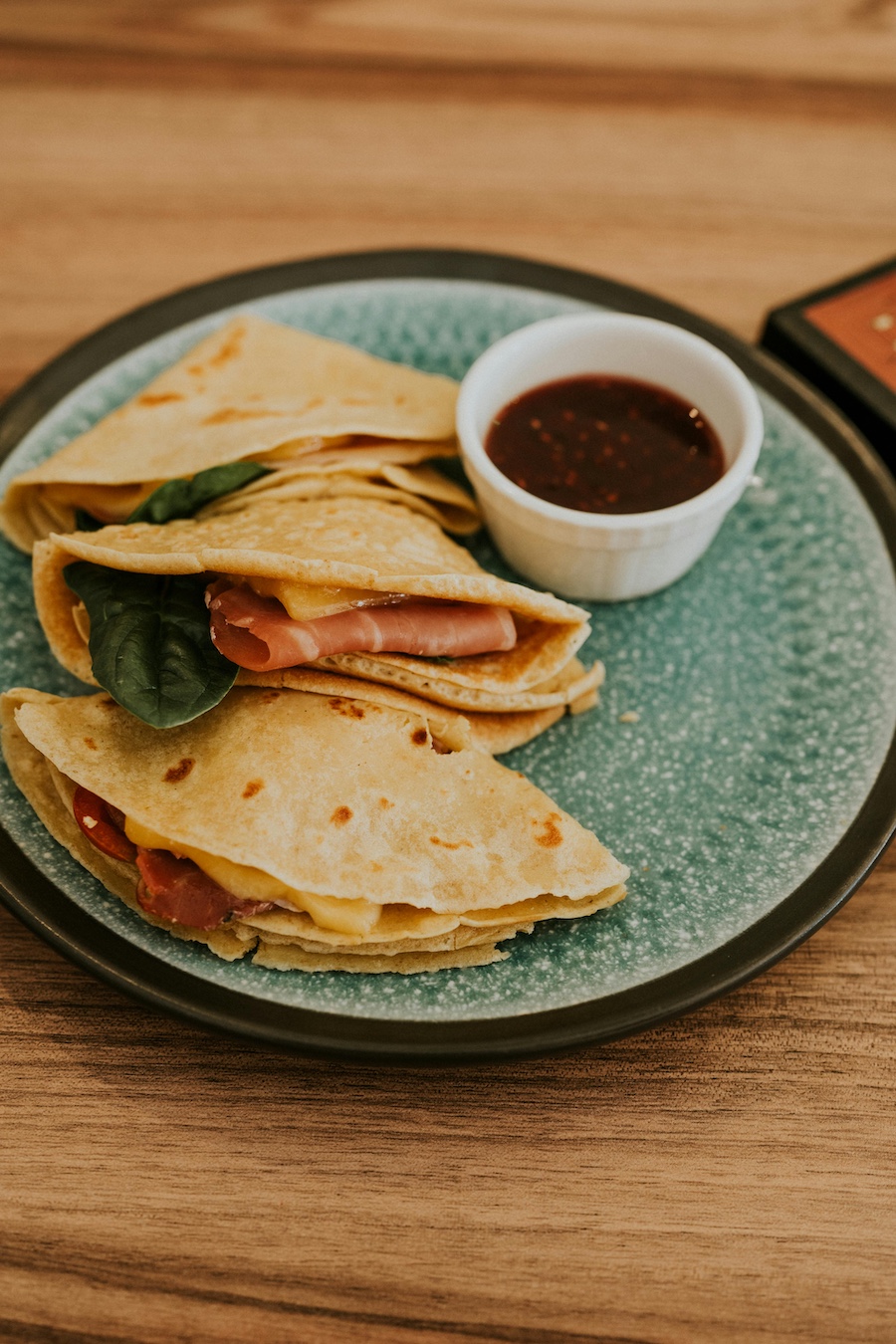

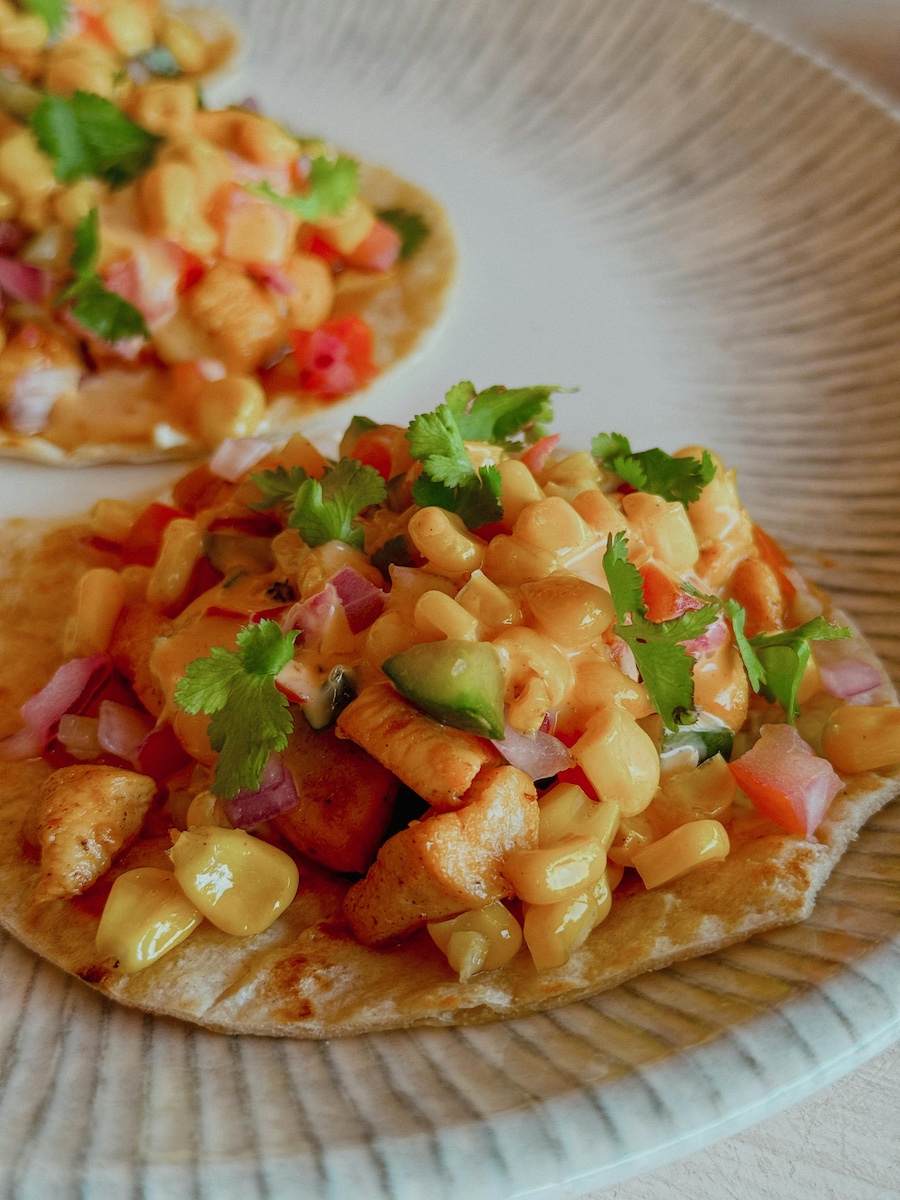
Tortillas are primarily a carbohydrate-based food that provides energy for daily activities. A 100 gram serving of flour tortillas contains around 52 grams of carbohydrates, making them a dense energy source. Corn tortillas tend to be slightly lower in calories and fat, while flour tortillas are typically softer and higher in calories due to added fats.
In addition to carbohydrates, tortillas provide small amounts of protein and fat. Some varieties are also fortified with nutrients such as iron, calcium, and B vitamins, which support energy production and overall health.
Because tortillas are often used as a base for meals, the total calorie content depends heavily on what they are filled with. Ingredients like cheese, sauces, meats, and oils can significantly increase the calorie content of a meal.
Portion size is one of the most important factors when eating tortillas. It is easy to consume multiple tortillas in a single meal, which can quickly increase calorie intake without realizing it.
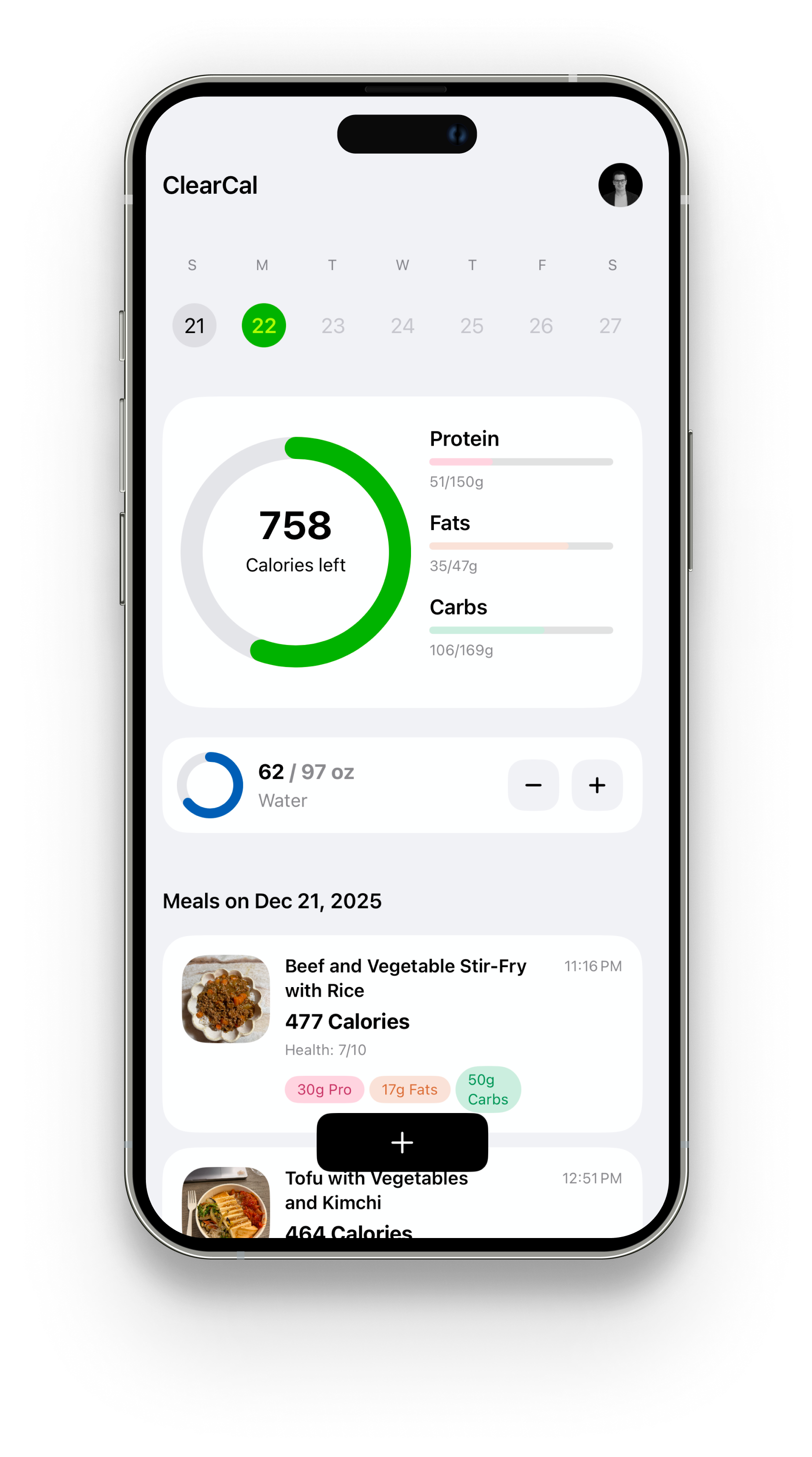
When tracking meals like tacos or burritos, estimating calories can be challenging. Many people now use tools that can scan food calories to analyze meals and estimate calorie intake without manually logging each ingredient.
If you want a faster and more flexible approach, tools like an AI calorie tracker or a food calorie scanner can simplify tracking and improve consistency.
Tortillas can be included in a weight loss diet, but portion control and meal composition are key. Because they are primarily made up of carbohydrates, tortillas may not be very filling on their own unless paired with protein and fiber.
A medium tortilla contains around 140 calories, which can add up quickly if multiple tortillas are consumed in a meal. For weight loss, choosing smaller tortillas or limiting portion sizes can help control calorie intake.
Corn tortillas are often slightly lower in calories and may be a better option for those trying to reduce calorie intake. Pairing tortillas with lean proteins like chicken, turkey, or shrimp and adding vegetables can help create more balanced, filling meals.
Tracking intake consistently is one of the most important factors for weight loss success. Many people find traditional calorie tracking difficult, which is why tools that allow you to scan food calories or use a calorie tracker with camera are becoming more popular.
If you want to simplify your approach, you can also explore how to track calories without weighing food or understand why calorie counting fails.

Yes. Tortillas are primarily made up of carbohydrates, providing over 50 grams per 100 grams.
Yes. As long as you manage portion sizes and overall calorie intake, tortillas can be included in a weight loss diet.
Yes. Corn tortillas are typically lower in calories and fat compared to flour tortillas.
A tortilla can range from about 90 to 220 calories depending on its size and type.

Snap a photo or describe your meal, and ClearCal analyzes each meal so you can acheive your goals without the headaches.


