White bread is one of the most commonly consumed foods and a staple in many diets worldwide. It is primarily a carbohydrate source that provides quick energy and is often used for sandwiches, toast, and meals throughout the day. Understanding the calories in white bread by slice and serving size can help you better manage your diet and make more informed nutrition choices.

| Serving Size | Calories |
|---|---|
| 1 slice white bread | 80 |
| 2 slices white bread | 160 |
| 1 sandwich (2 slices + filling estimate excluded) | 160 |
| 3 slices white bread | 240 |


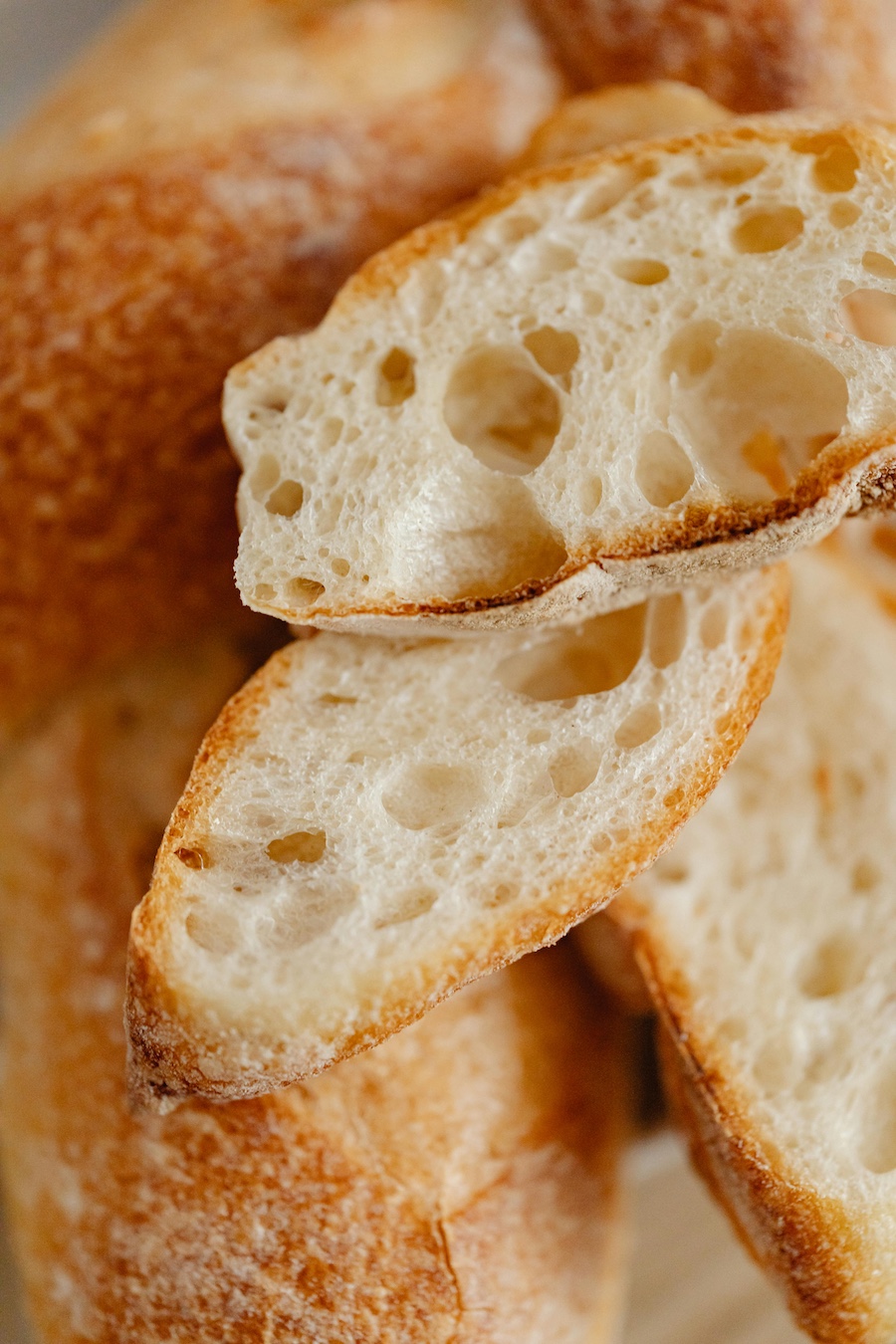
White bread is a refined carbohydrate made from processed wheat flour, which removes much of the fiber found in whole grains. A 100 gram serving contains about 49 grams of carbohydrates, making it a quick source of energy for the body. Because it is low in fiber, white bread is digested quickly, which can lead to faster spikes in blood sugar compared to whole grain alternatives.
In addition to carbohydrates, white bread provides moderate amounts of protein and small amounts of fat. It is also often enriched with essential nutrients such as iron and B vitamins, which support energy production and overall health.
While white bread can be part of a balanced diet, its low fiber content means it may not be as filling as whole grain options. This can make it easier to consume more calories without feeling full, especially when combined with calorie-dense toppings like butter, spreads, or processed meats.
Because white bread is often eaten as part of larger meals—such as sandwiches—it can be difficult to estimate total calorie intake. Many people now use tools that can scan food calories to quickly analyze meals and estimate calories without manually tracking each ingredient.
If you’re looking for a faster and more convenient way to track your intake, tools like an AI calorie tracker or a photo calorie counter can help simplify the process and improve consistency.
White bread can be included in a weight loss diet, but it is important to manage portion sizes and balance it with other foods. Because it is low in fiber and protein, it may not keep you full for long on its own, which can lead to increased hunger and higher calorie intake throughout the day.
A typical slice of white bread contains around 80 calories. While this is relatively low, eating multiple slices or pairing it with high-calorie ingredients can quickly increase total calorie intake.
For weight loss, it is often helpful to combine white bread with protein-rich foods such as eggs, turkey, or chicken to improve satiety. Alternatively, choosing higher-fiber bread options can help you feel fuller for longer and reduce overall calorie consumption.
Consistency is one of the most important factors for weight loss success. Many people find traditional calorie tracking difficult to maintain, which is why tools that allow you to scan food calories or use a calorie tracker with camera are becoming more popular.
If you want a simpler approach, you can also explore how to track calories without weighing food or learn how many calories you should eat based on your goals.

White bread is not inherently unhealthy, but it is lower in fiber and nutrients compared to whole grain options.
Yes. As long as you control portion sizes and overall calorie intake, white bread can be included in a weight loss diet.
Yes. White bread is primarily made up of carbohydrates, providing about 49 grams per 100 grams.
One slice of white bread contains about 80 calories, though this can vary slightly by brand and thickness.

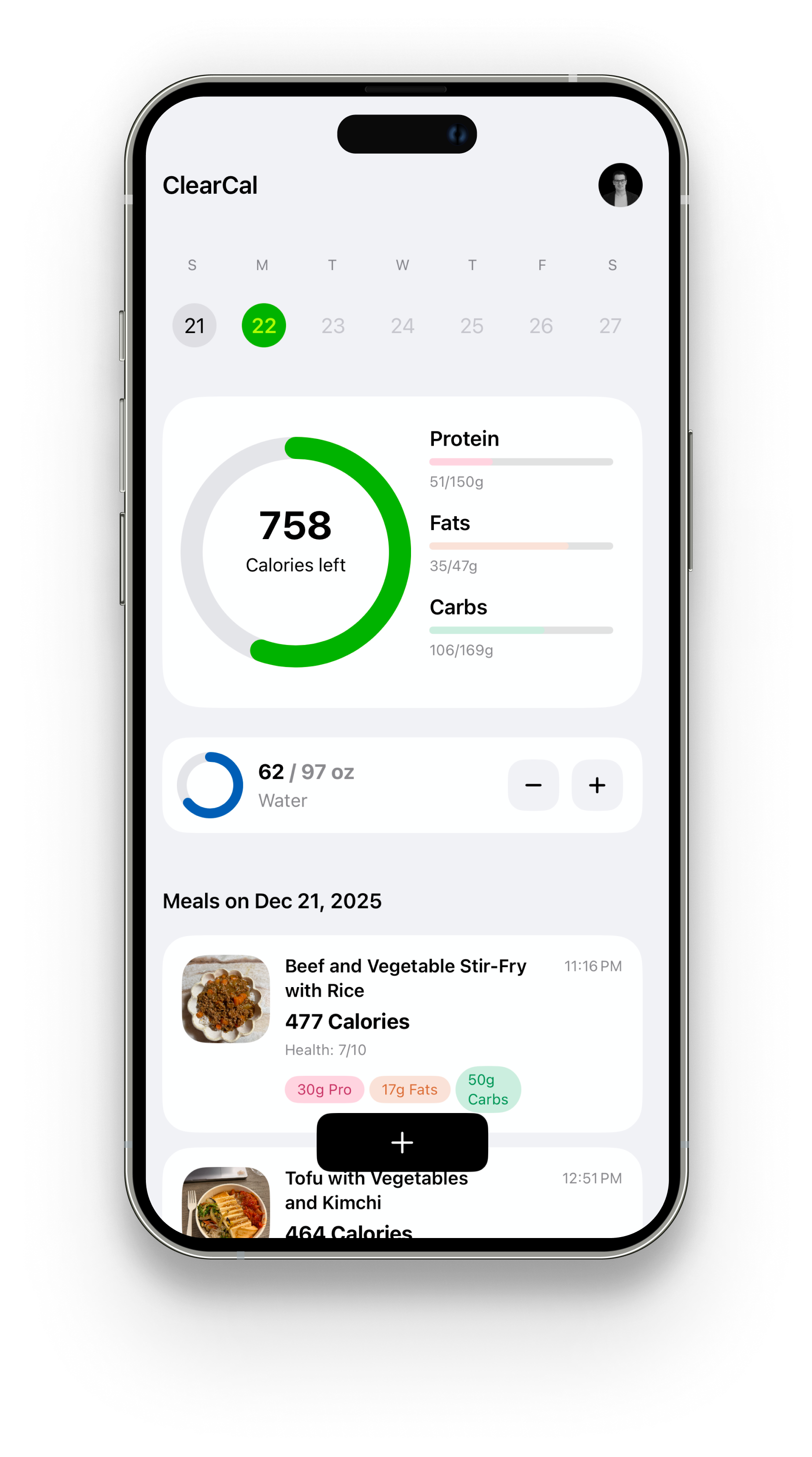
Snap a photo or describe your meal, and ClearCal analyzes each meal so you can acheive your goals without the headaches.


