Whole wheat bread is a popular alternative to white bread, known for its higher fiber content and more complete nutritional profile. Made from whole grains, it retains more nutrients and can help support digestion and satiety. Understanding the calories in whole wheat bread by slice and serving size can help you make smarter decisions when building meals and tracking your daily intake.

| Serving Size | Calories |
|---|---|
| 1 slice whole wheat bread | 80 |
| 2 slices whole wheat bread | 160 |
| 1 sandwich (2 slices + filling excluded) | 160 |
| 3 slices whole wheat bread | 240 |



Whole wheat bread is made from whole grains, meaning it contains the bran, germ, and endosperm of the wheat kernel. This gives it a higher fiber content compared to white bread and makes it more nutritionally dense. A 100 gram serving contains about 41 grams of carbohydrates along with fiber, which helps slow digestion and provide more sustained energy.
One of the key benefits of whole wheat bread is its fiber content. Fiber supports digestive health, helps regulate blood sugar levels, and increases satiety, making it easier to feel full after eating. This is one reason why whole wheat bread is often recommended over refined grain options.
In addition to fiber, whole wheat bread provides important nutrients such as iron, magnesium, B vitamins, and antioxidants. These nutrients support energy production, muscle function, and overall health.
Because whole wheat bread is often used in sandwiches and meals with multiple ingredients, it can still be easy to underestimate total calorie intake. Many people now use tools that can scan food calories to quickly analyze meals and estimate calories without manually tracking everything.
If you want a more efficient way to track your intake, tools like an AI calorie tracker or a food calorie scanner can help simplify the process and improve consistency.
Whole wheat bread can be a better option than white bread for weight loss because of its higher fiber content. Fiber helps you feel full for longer, which can reduce overall calorie intake throughout the day.
A typical slice of whole wheat bread contains around 80 calories. While this is similar to white bread, the added fiber and nutrients can make it more satisfying and help prevent overeating.
For weight loss, it is important to combine whole wheat bread with protein and healthy fats to create balanced meals. Pairing it with foods like eggs, turkey, or chicken can improve satiety and support muscle maintenance.
Portion control is still essential. Eating multiple slices or combining bread with high-calorie toppings can quickly increase calorie intake. Being mindful of serving sizes can help you stay within your calorie goals.
Many people struggle with consistency when tracking food. Instead of manually logging meals, tools that allow you to scan food calories or use a calorie tracker with camera make it easier to stay on track.
If you want a more flexible approach, you can also explore how to track calories without weighing food or understand why calorie counting fails.

Yes. Whole wheat bread is primarily a carbohydrate source, providing about 41 grams per 100 grams.
Yes. Its fiber content helps increase fullness, which can support weight loss when combined with proper portion control.
Yes. Whole wheat bread contains more fiber and nutrients because it is made from whole grains.
Whole wheat bread contains about 247 calories per 100 grams, or around 80 calories per slice.

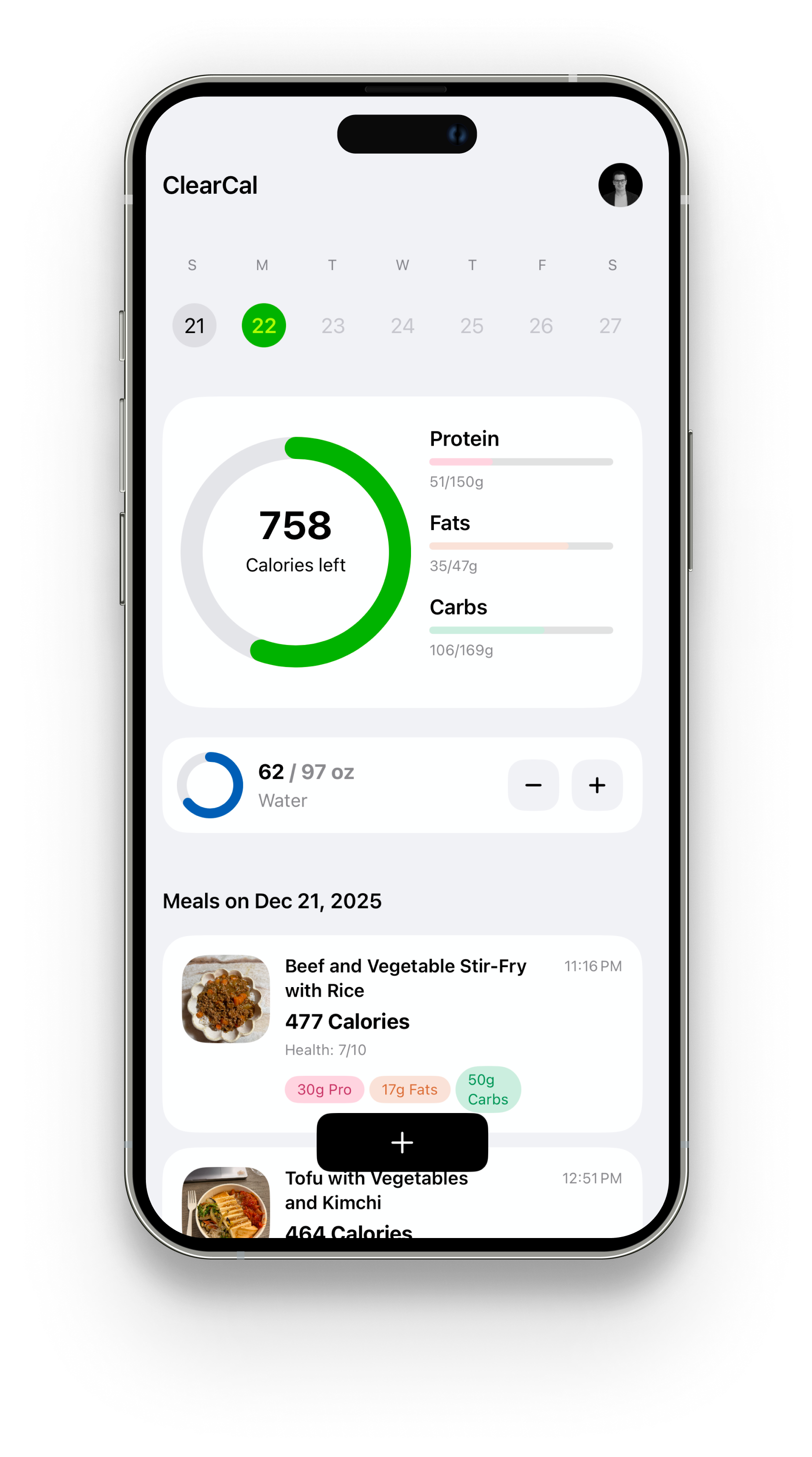
Snap a photo or describe your meal, and ClearCal analyzes each meal so you can acheive your goals without the headaches.


