Bacon is a flavorful and widely enjoyed food, often eaten at breakfast or added to meals for extra taste. However, bacon is also higher in fat and calories compared to lean protein sources. Understanding the calories in bacon per slice and serving size can help you make informed decisions when tracking your nutrition, whether your goal is weight loss, muscle building, or maintaining a balanced diet.

| Serving Size | Calories |
|---|---|
| 1 slice bacon | 43 |
| 2 slices bacon | 86 |
| 3 slices bacon | 129 |
| 4 slices bacon | 172 |

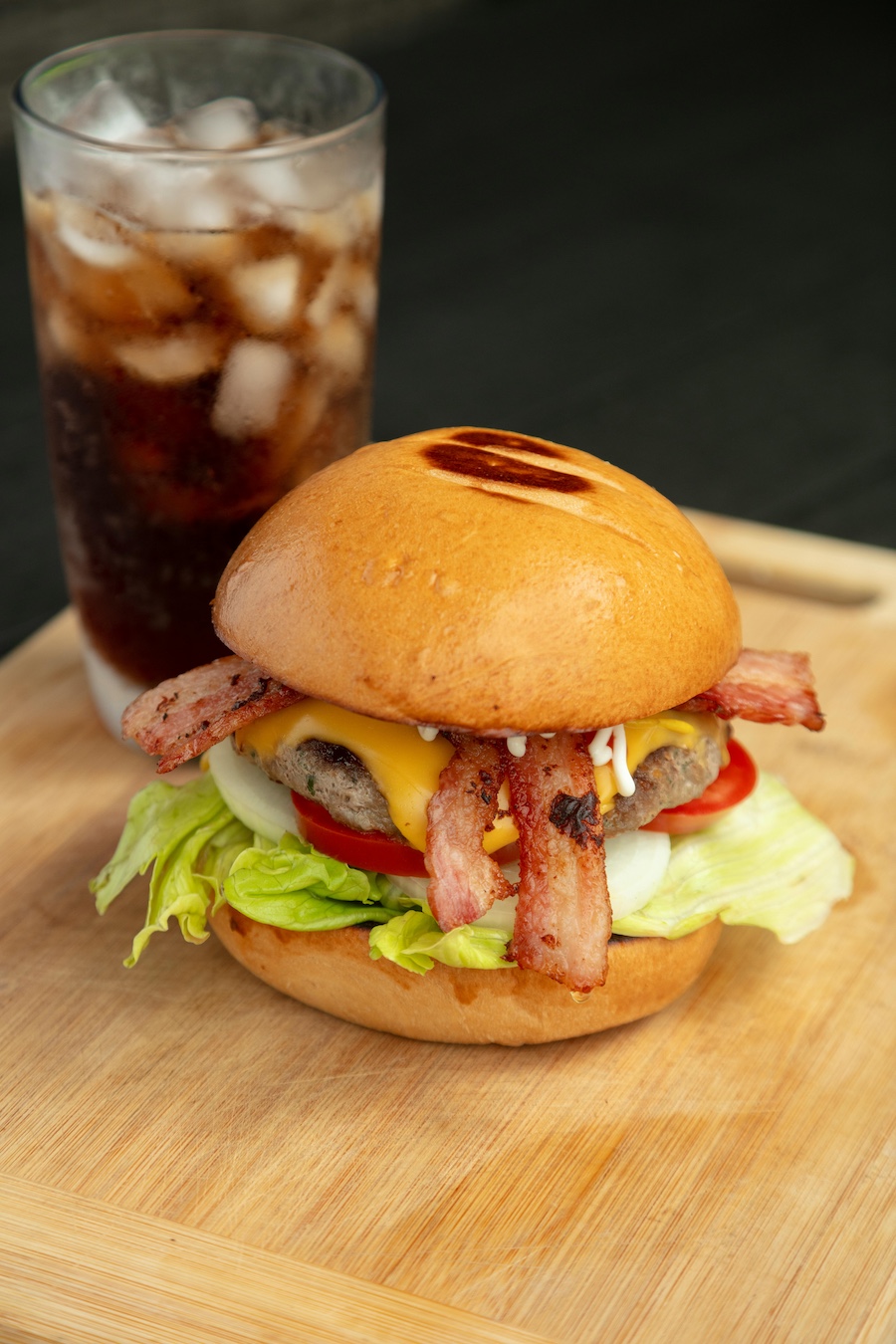
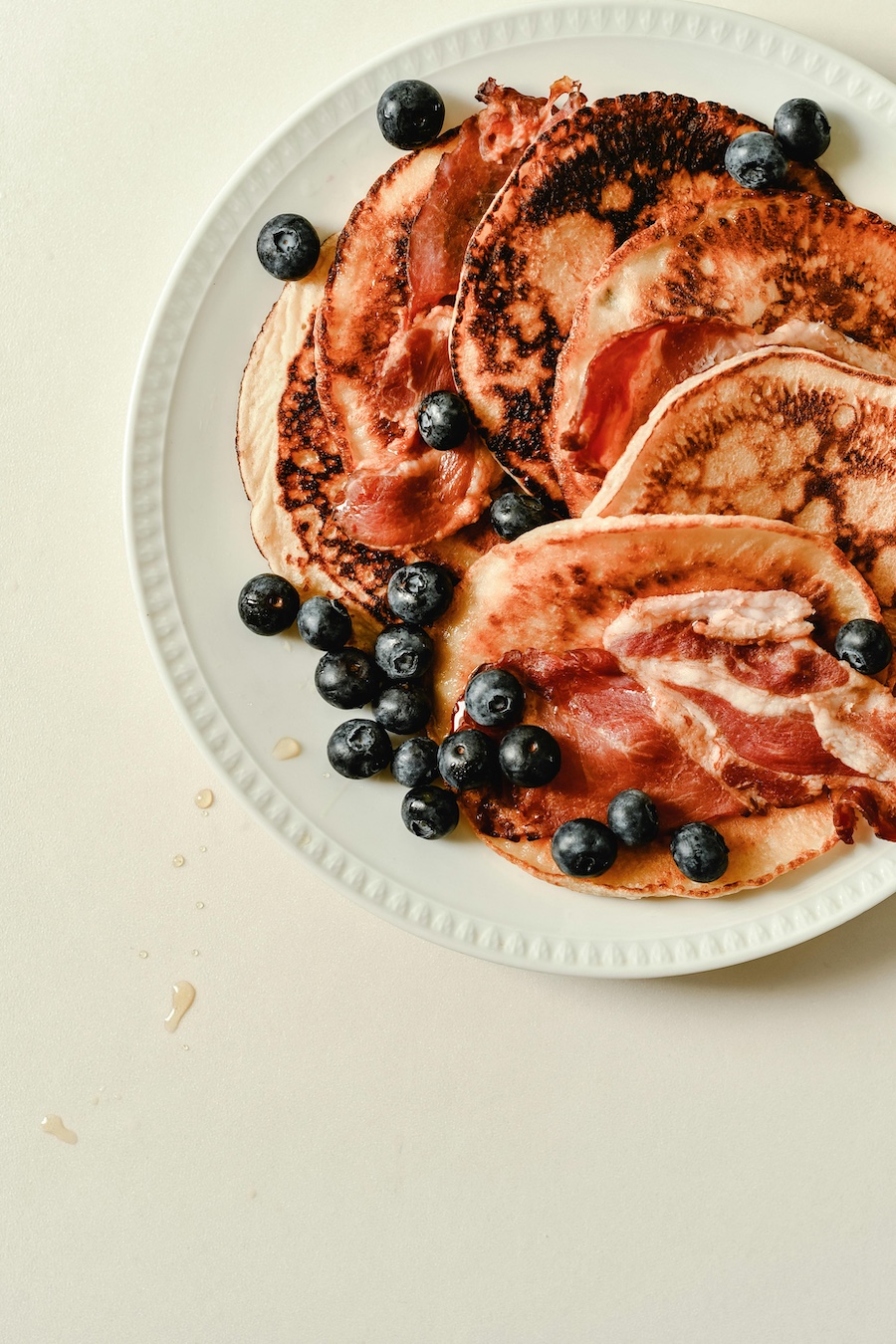
Bacon is a high-fat, high-calorie food that also provides a moderate amount of protein. A 100 gram serving contains about 37 grams of protein along with 42 grams of fat, making it significantly more calorie-dense than lean protein sources like chicken breast (/calories-in-chicken-breast) or turkey breast (/calories-in-turkey-breast).
Most of the calories in bacon come from fat, which contributes to its rich flavor and crispy texture. While bacon does contain protein and essential nutrients, it is typically considered more of an indulgent food rather than a primary protein source in a balanced diet.
Bacon also contains important micronutrients such as vitamin B12, zinc, selenium, and phosphorus, which support energy production, immune health, and overall body function. However, it is also higher in sodium due to the curing process, which is something to consider for overall health.
Because bacon is calorie-dense, portion size plays a significant role in total calorie intake. Even a few extra slices can quickly increase daily calories. Cooking method can also impact calories slightly, especially if additional oils or ingredients are used.
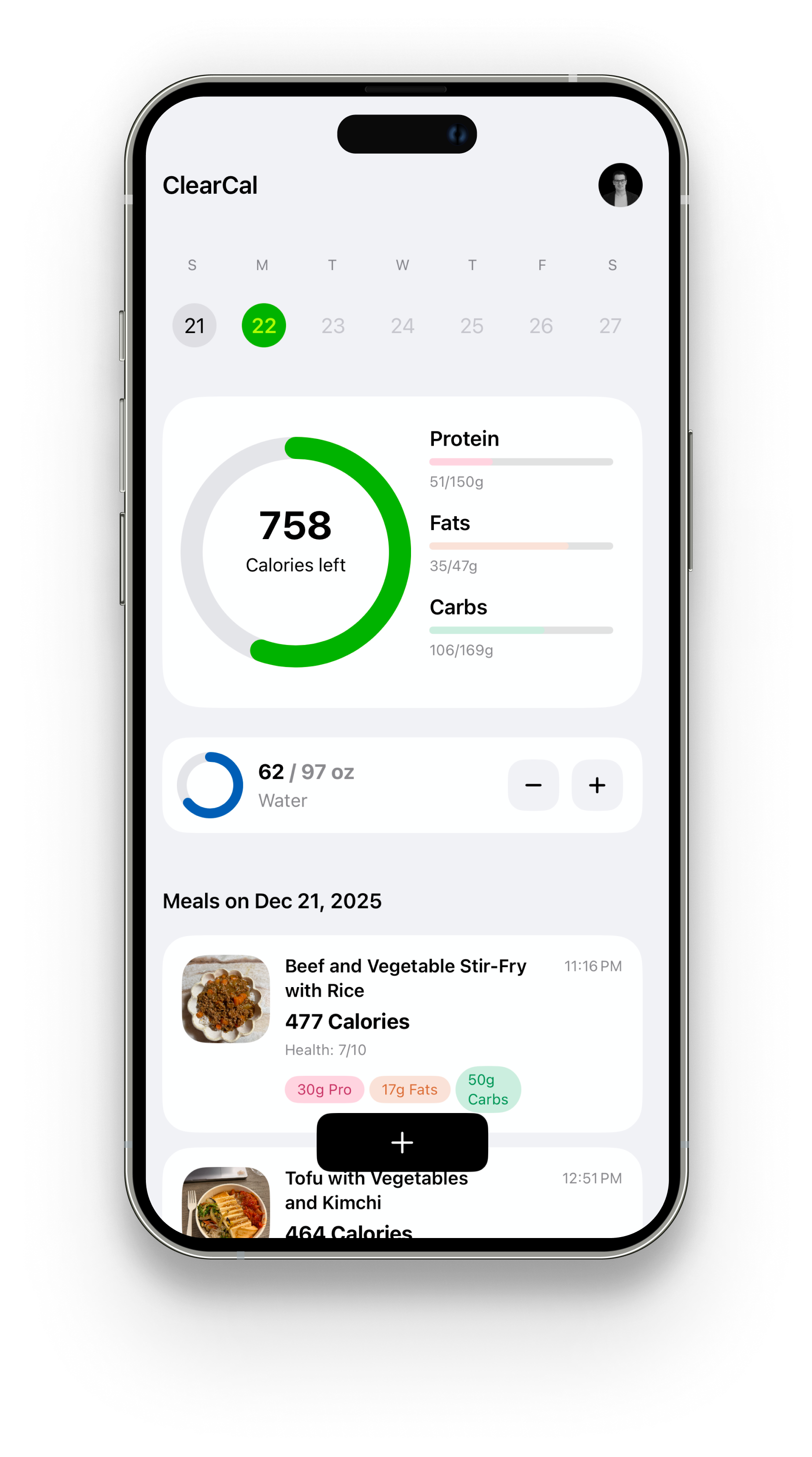
When tracking meals that include bacon—such as breakfast plates, sandwiches, or salads—it can be easy to underestimate total calories. Many people now use tools that can scan food calories instantly to estimate meals more accurately without manually logging each ingredient. You can learn how to scan food calories here.
If you prefer a faster approach, tools like an AI calorie tracker or a photo calorie counter can help simplify tracking and improve consistency.
Bacon can be included in a weight loss diet, but it should be consumed in moderation due to its high calorie and fat content. Because it is calorie-dense, it is easy to consume a large number of calories from bacon without feeling full compared to leaner protein sources.
That said, bacon can still fit into a calorie-controlled diet when portions are managed carefully. For example, adding one or two slices of bacon to a meal can enhance flavor without significantly increasing total calorie intake.
For weight loss, it is often more effective to prioritize lean protein sources like chicken breast or shrimp, which provide more protein per calorie. However, including small amounts of bacon occasionally can make a diet more enjoyable and sustainable over time.
Tracking intake is especially important with foods like bacon, where calories can add up quickly. Many people find that traditional calorie counting can be difficult to maintain, which is why tools that allow you to scan food calories or use a calorie tracker with camera are becoming more popular.
If you’ve struggled with consistency, you may also want to explore approaches like tracking calories without logging or understanding why calorie counting fails.

Bacon does contain protein, but it is not as efficient as leaner sources because it is much higher in fat and calories.
Yes, but in moderation. Small portions of bacon can fit into a calorie-controlled diet if overall intake is managed.
Yes. Bacon is high in fat, which is why it is more calorie-dense compared to lean protein sources.
One slice of bacon contains about 43 calories, though this can vary slightly depending on thickness and cooking method.

Snap a photo or describe your meal, and ClearCal analyzes each meal so you can acheive your goals without the headaches.